
Islamic Banking and Finance Blog
Welcome to the Islamic Finance Blog by AIMS Education — a trusted source for insights, updates, and expert knowledge on the Islamic banking and finance industry. Our Islamic Banking blog offers in-depth analysis, practical guidance, and timely information on Shariah-compliant financial products, services, and global trends.
Whether you’re a student, professional, or enthusiast, our articles will keep you informed about the latest developments and innovations in the ever-growing world of Islamic banking and finance.

Is Investing in Stocks Haram or Halal?
Are Stocks Haram or Halal? Investing in stocks often raises questions such as “Is investing in stocks haram?” or “Are stocks haram?”. The answer depends on the nature of the stocks in question and [...]
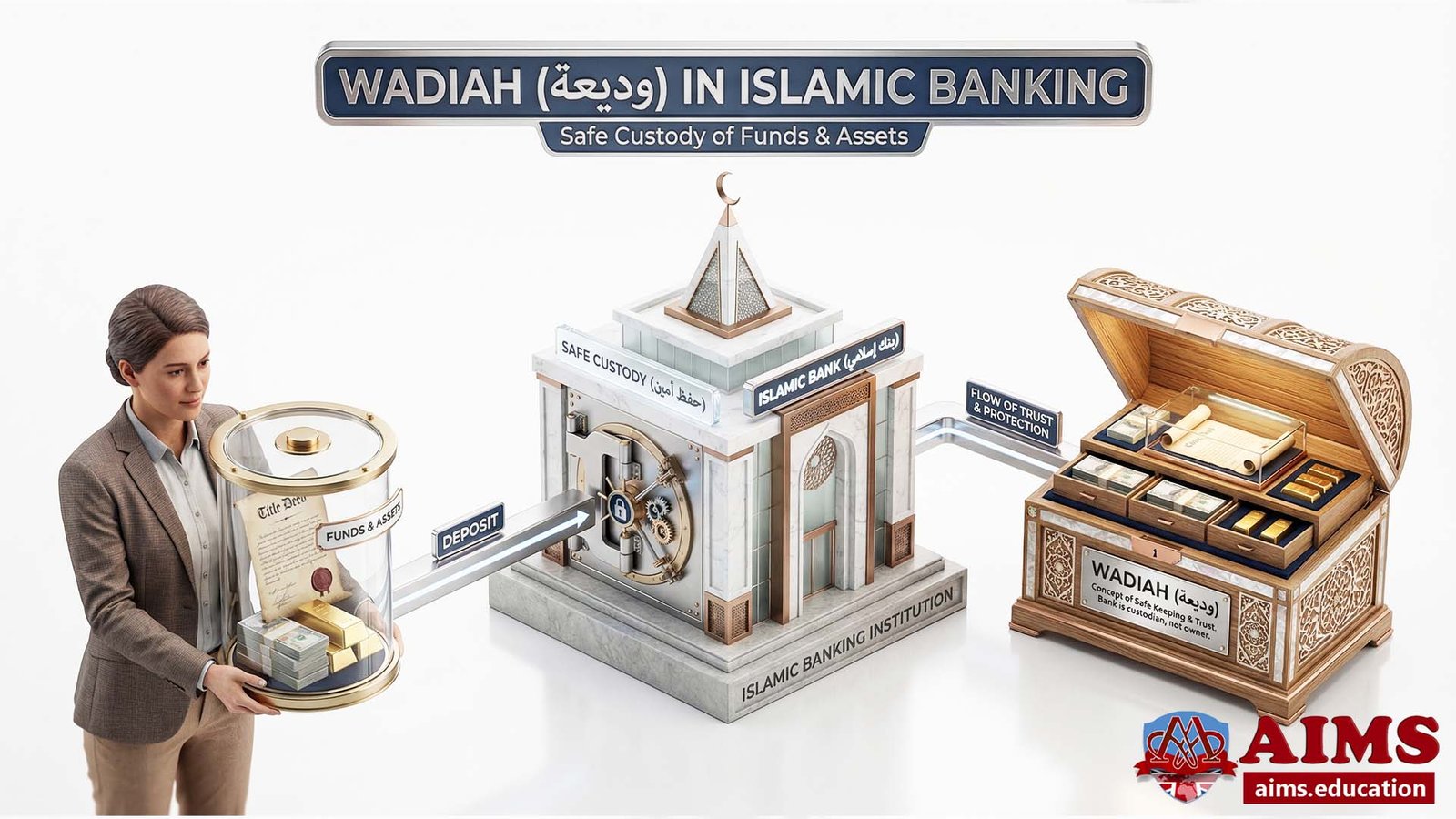
What is Wadiah? Wadiah Yad Dhamanah & Wadiah Yad Amanah
Waidah Meaning Wadiah means "custody" and "trust." In Islamic banking, it refers to a deposit. It has two types: Wadiah yad Dhamanah and Wadiah yad Amanah. وَدِيعَة differs from Qard; the concept involves safekeeping [...]
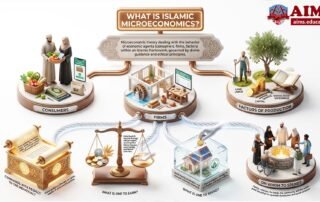
Islamic Microeconomics: Principles, Price Theory, Consumer Behaviour, and Production
Islamic microeconomics studies how individuals, households, firms, and markets make economic choices within Shariah principles. It examines consumption, production, pricing, ownership, profit, and resource allocation, but evaluates them through lawful conduct, justice, moderation, and [...]

Reverse Murabaha or Tawarruq Contract in Islamic Banking
What is Tawarruq Contract or Reverse Murabaha? Tawarruq contract (Reverse Murabaha) is defined as, "A financial instrument in which a buyer purchases a commodity from a seller on a deferred payment basis, and the [...]

What is Gharar in Islam – Meaning, Types, Examples, and How to Avoid in Islamic Banking and Finance
Gharar Meaning Gharar (الغرر) comes from the Arabic root word gharra (غَرَّ), which means to deceive, delude, or expose oneself to danger and hazard. In Islamic finance and jurisprudence, gharar is commonly understood as [...]

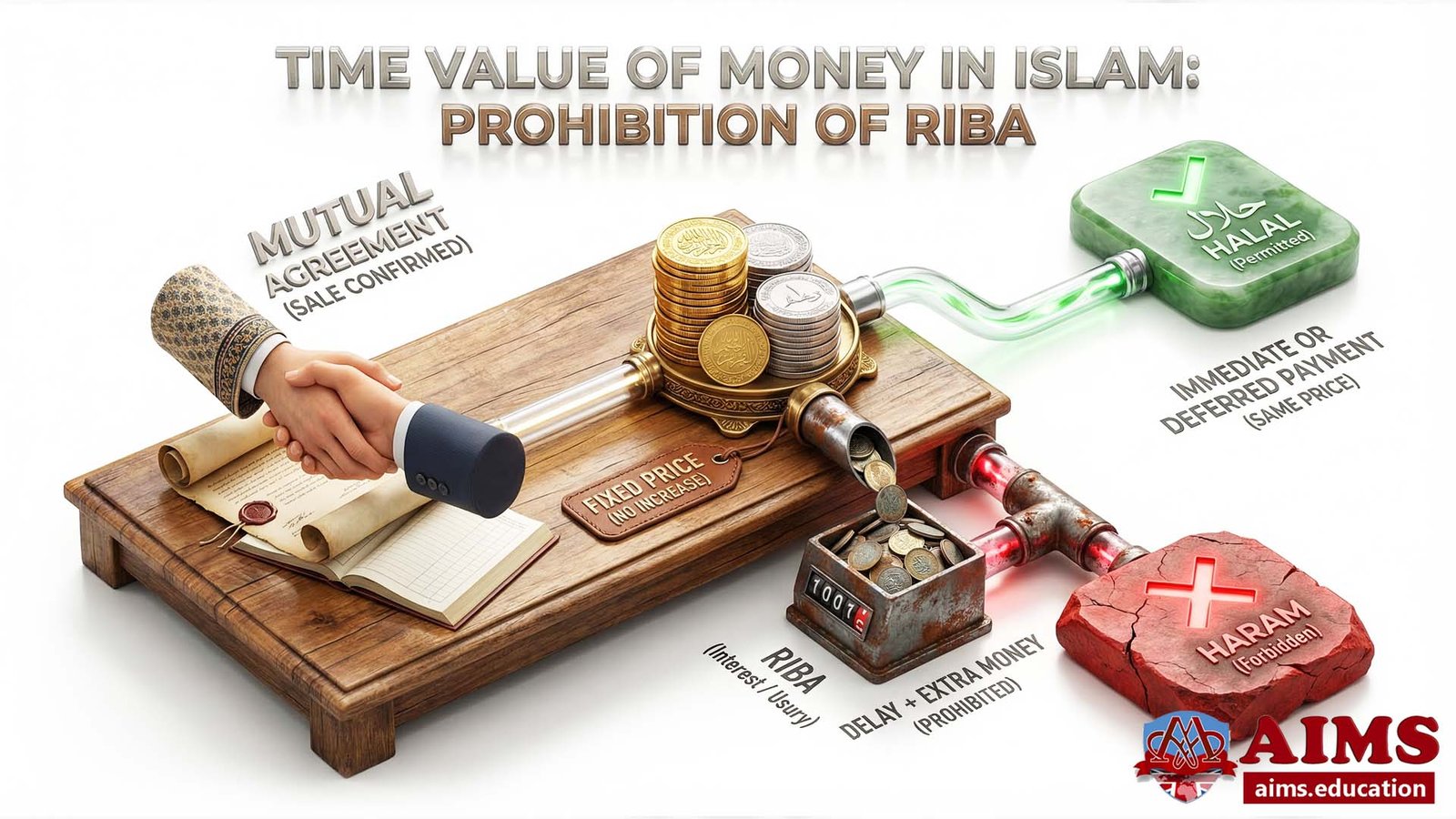
Time Value of Money in Islamic Finance: Key Concept, How Islamic Contracts Avoid Riba & Practical Applications
What Is the Time Value of Money in Islamic Finance? Time value of money in Islamic finance recognizes that time can influence the price of an asset, its usufruct, or an investment opportunity, but [...]
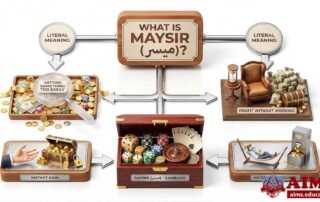
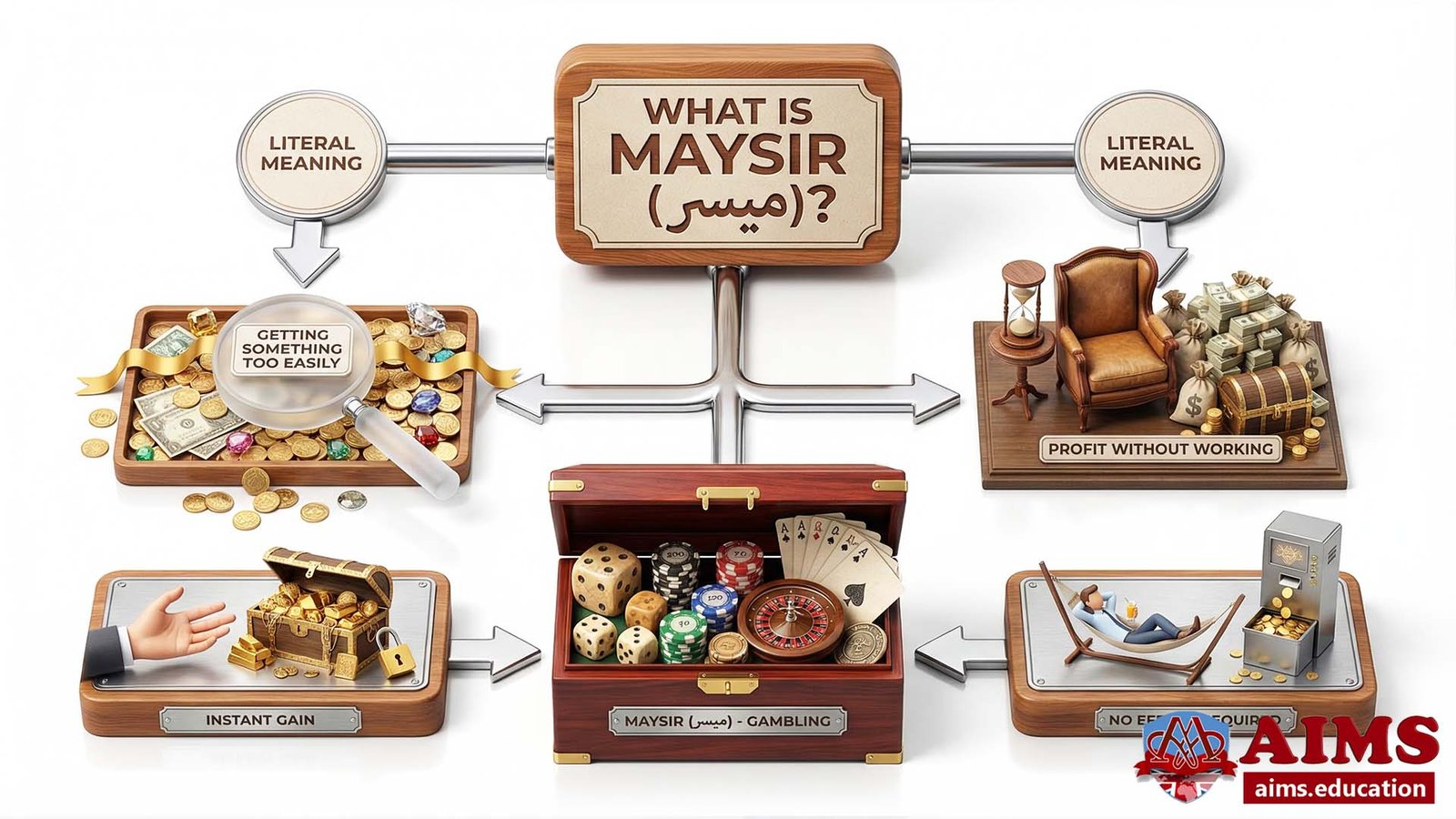
Maysir Meaning in Islam – Role of Maisir (الميسر) in Islamic Banking, Modern Forms & Examples
Maysir Meaning Maysir (الميسر), also written Maisir, comes from the arabic root word يسر, and it refers to gambling or any chance-based arrangement in which one party gains at another’s loss without real trade, [...]
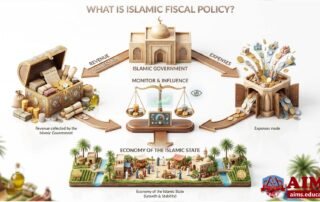
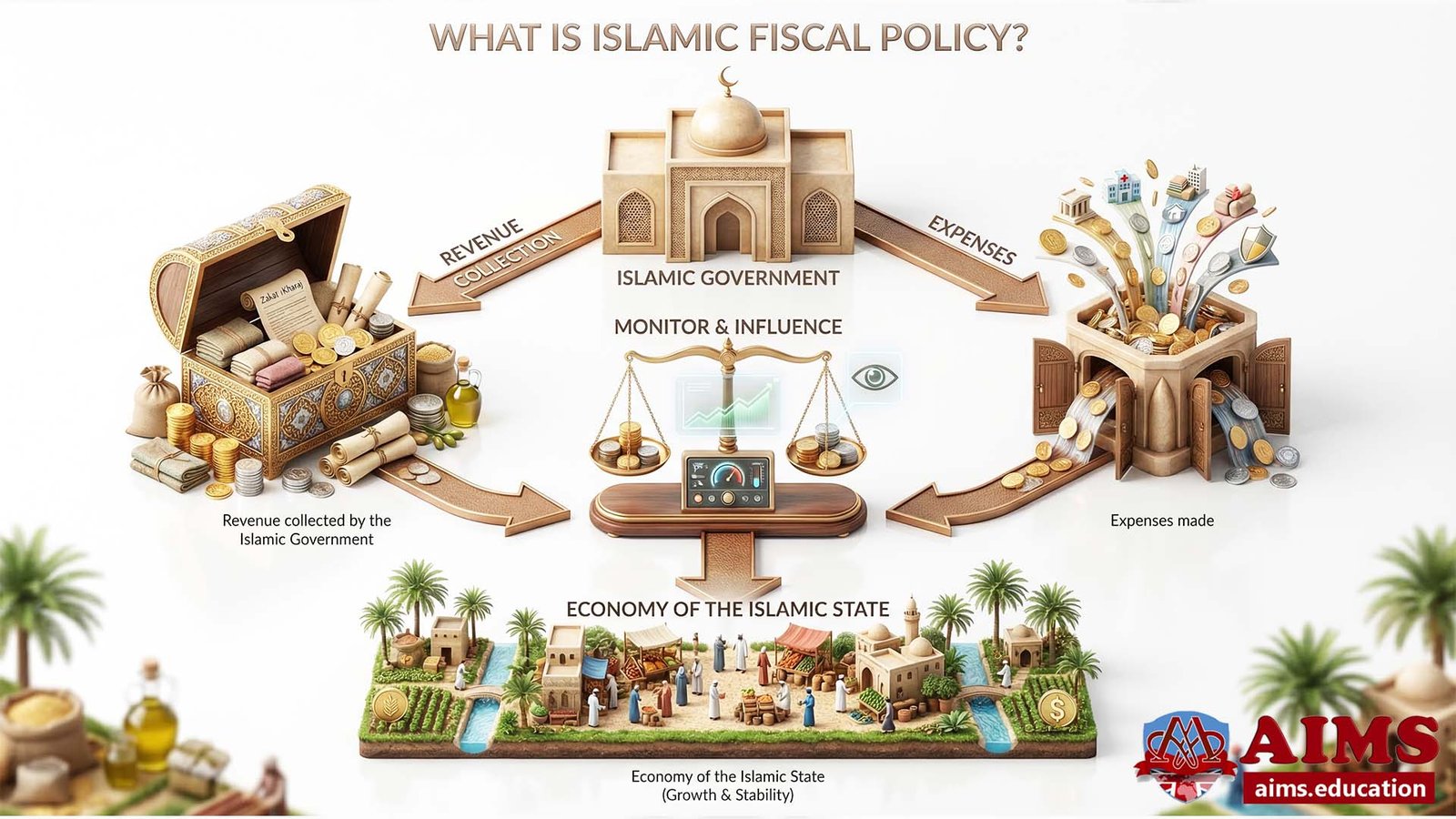
Islamic Fiscal Policy: Objectives, Instruments, Zakat, Taxation, and Public Spending
What Is Islamic Fiscal Policy? Islamic fiscal policy is the Shariah-guided management of government revenue, public expenditure, redistribution, and public financing to advance justice, stability, employment, and social welfare. It uses instruments such as [...]

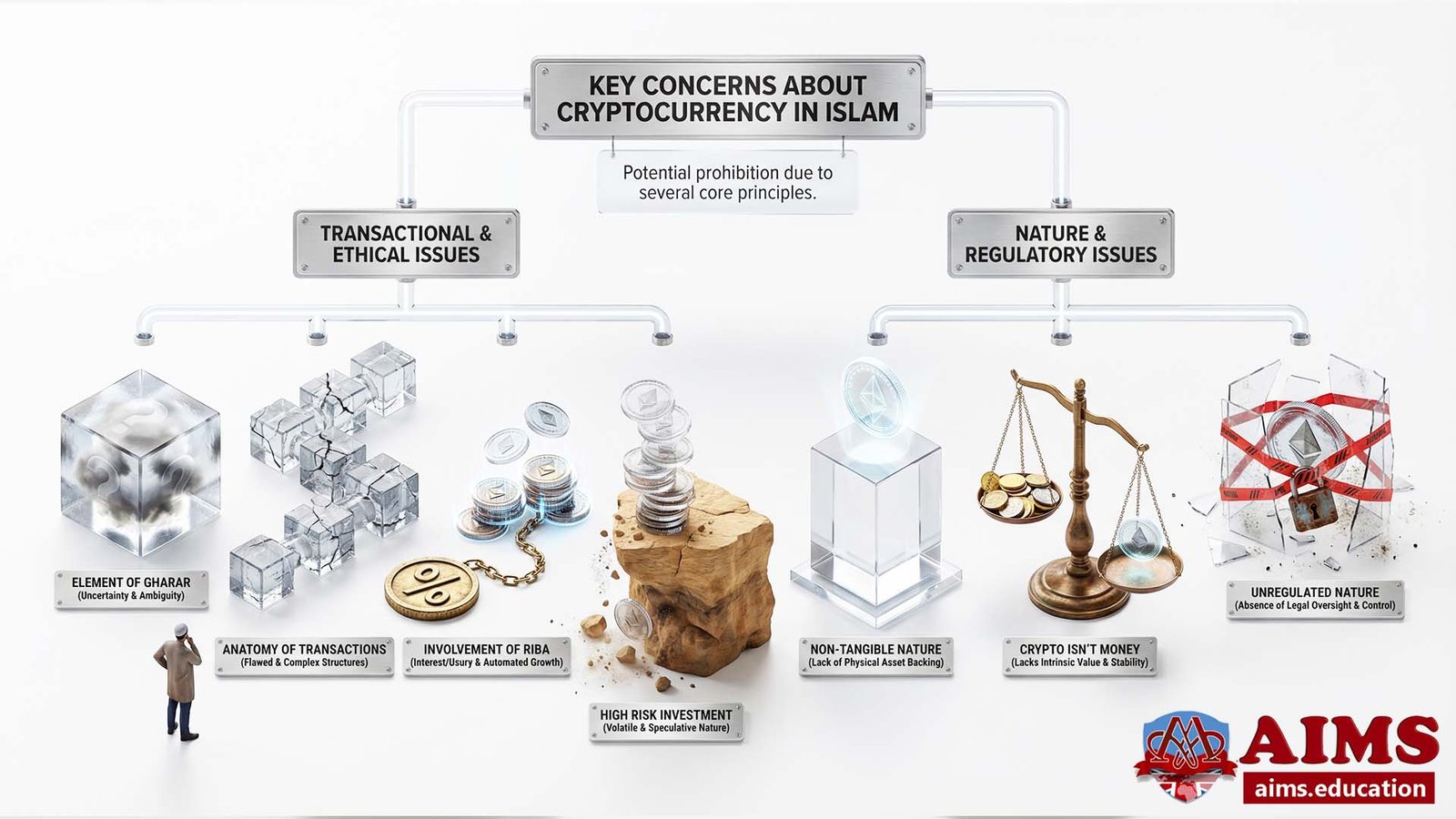
Is Crypto Halal or Haram? Islamic Rulings on Bitcoin and Crypto Trading
Whether crypto is halal or haram depends on the cryptocurrency, its purpose, and the way it is bought, held, or traded. Some scholars prohibit most cryptocurrencies because of excessive uncertainty, speculation, weak utility, and [...]




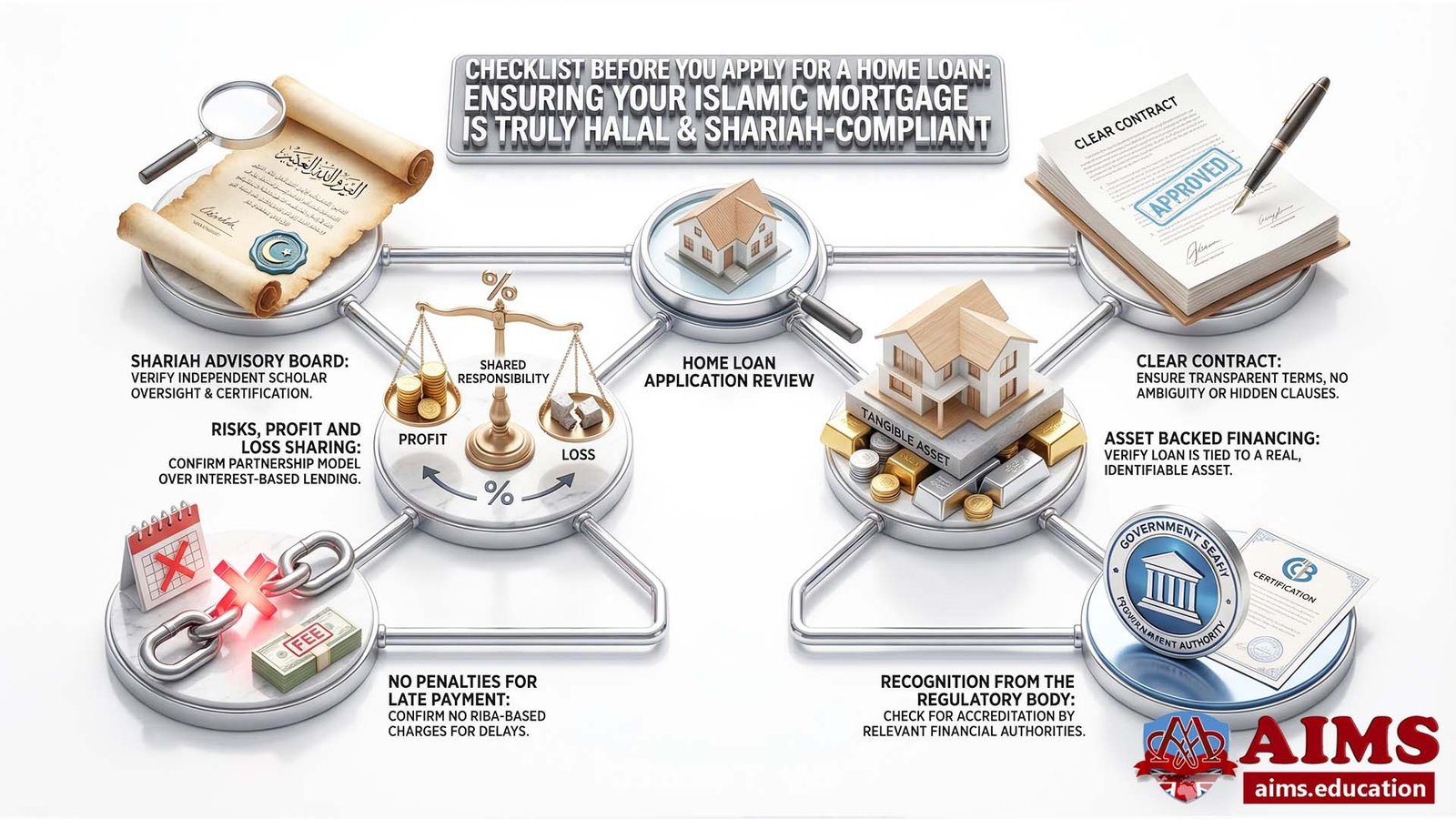
What Is a Halal Mortgage (or Muslim Mortgage)? How Islamic Mortgages Work
A halal mortgage is a Sharia-compliant property-financing arrangement that avoids an interest-bearing cash loan. Instead, the provider purchases, leases, resells, or co-owns a real property and earns an agreed profit or rent through a [...]