
Islamic Banking and Finance Blog
Welcome to the Islamic Finance Blog by AIMS Education — a trusted source for insights, updates, and expert knowledge on the Islamic banking and finance industry. Our Islamic Banking blog offers in-depth analysis, practical guidance, and timely information on Shariah-compliant financial products, services, and global trends.
Whether you’re a student, professional, or enthusiast, our articles will keep you informed about the latest developments and innovations in the ever-growing world of Islamic banking and finance.
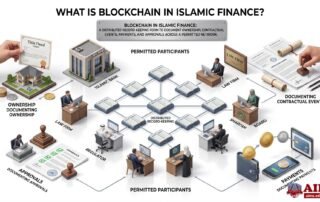
Blockchain in Islamic Finance: Applications, Benefits, Shariah Compliance and Challenges
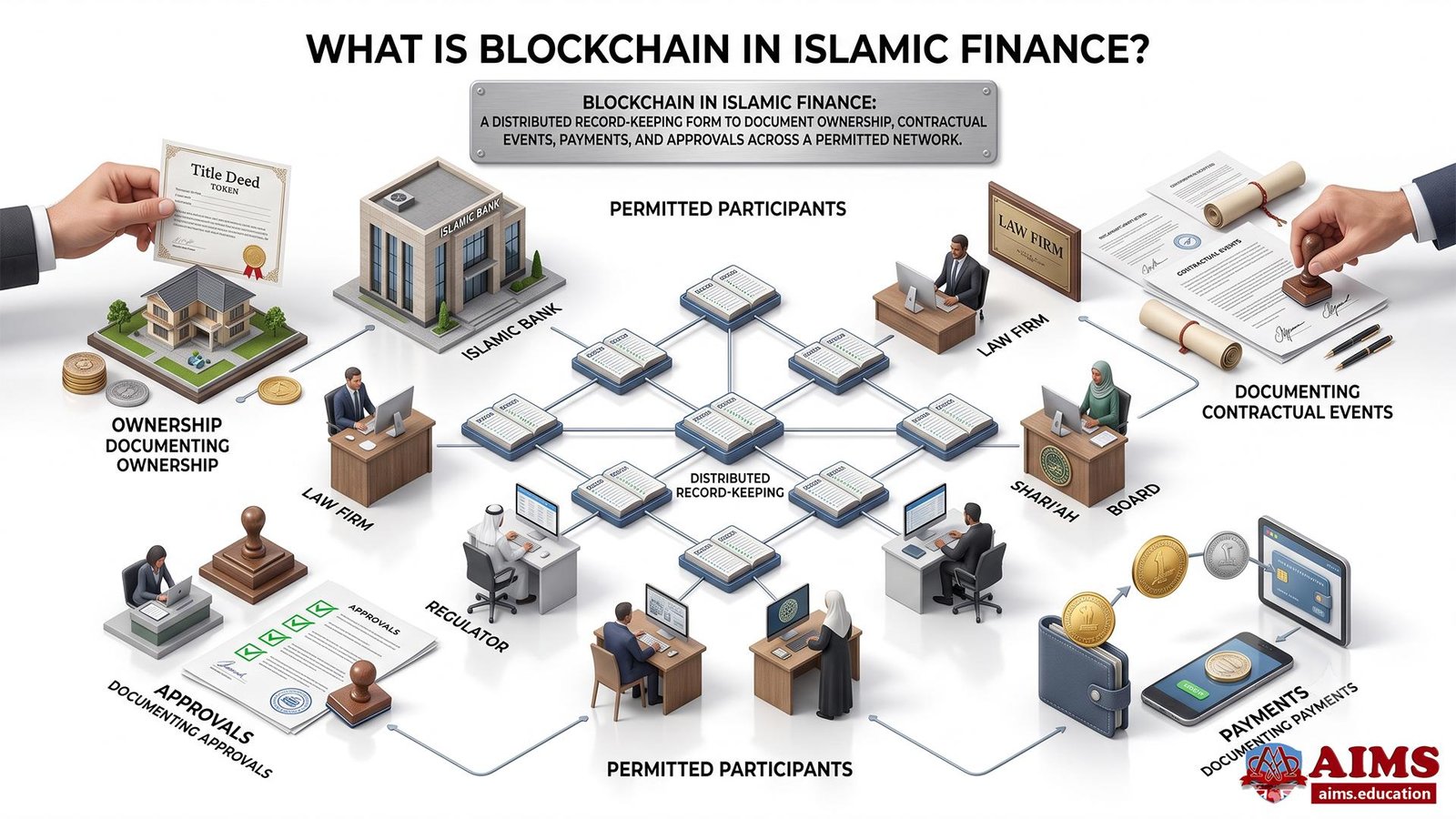
Blockchain in Islamic finance is the use of a shared, cryptographically secured digital ledger to record, verify and automate Shariah-compliant financial transactions. It can improve transparency, traceability and coordination in Islamic banking, sukuk, trade [...]

What are Halal Loans (Islamic Loans or Shariah-Compliant Financing): Meaning, Shariah Rules, Types, and Examples
Halal loans (also referred as Islamic loans or Shariah-compliant financing) are borrowing or financing arrangements that avoid prohibited interest and comply with Shariah rules on lawful purpose, clear contracts, fairness, asset ownership, and risk. [...]

Islamic Capital Market: Definition, Principles, Instruments, Products and Examples
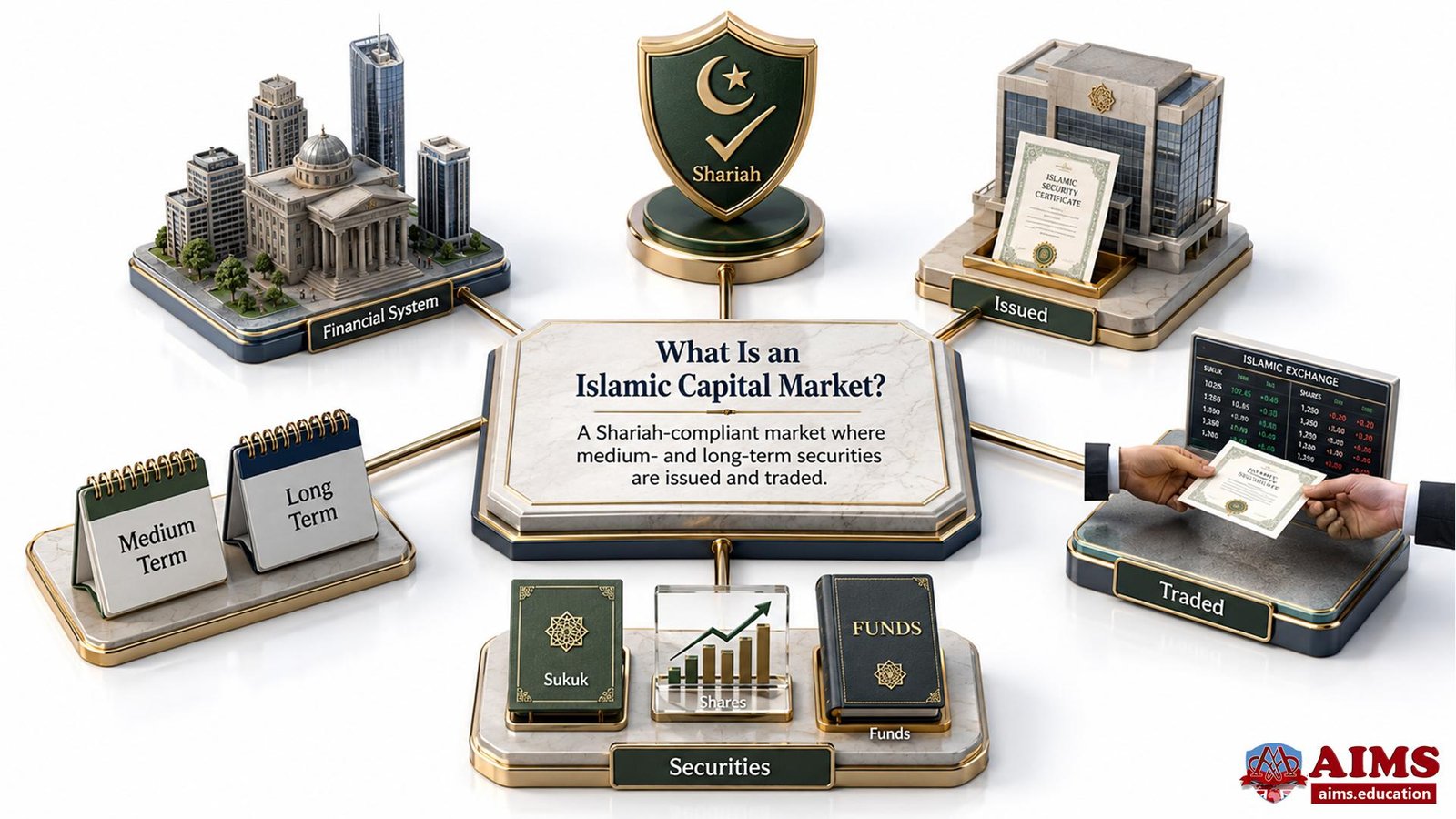
What Is an Islamic Capital Market? An Islamic capital market is the part of the financial system in which medium-term and long-term securities are issued and traded according to Shariah. It enables issuers to [...]
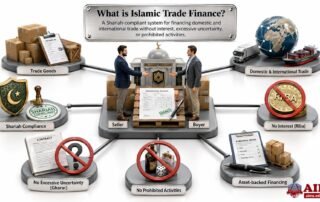
Islamic Trade Finance: Overview, Principles, 6 Products, and International Prospects
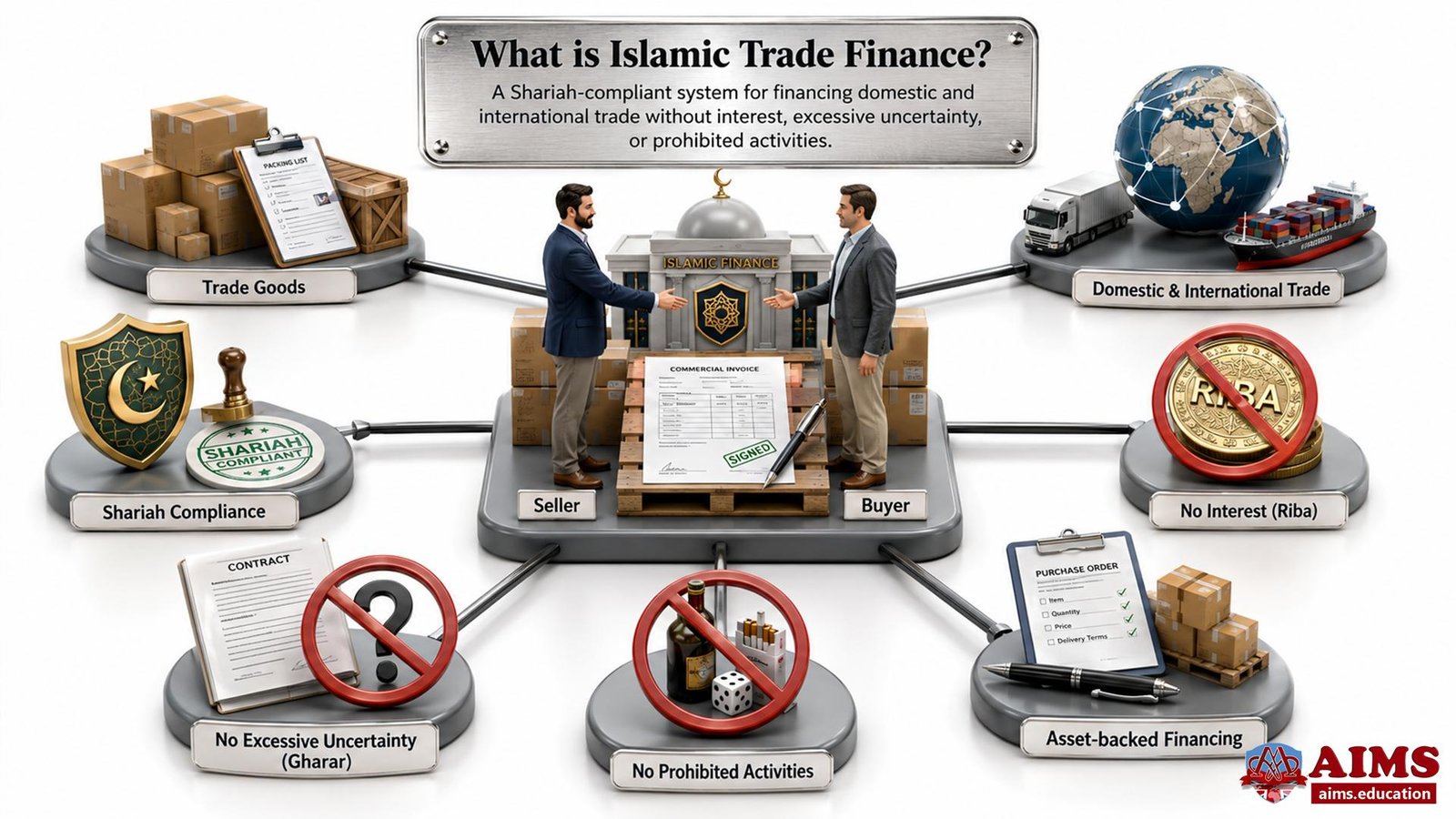
Islamic Trade Finance Overview Islamic trade finance is a Shariah-compliant system for financing domestic and international trade without interest, excessive uncertainty, or prohibited commercial activities. It uses asset-backed and trade-based structures such as Murabaha, [...]
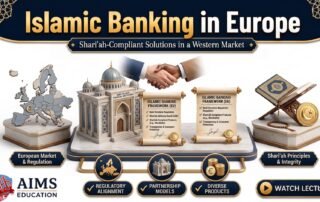
Islamic Banking in Europe: Development, Banks, Products, Regulations, Future and Challanges
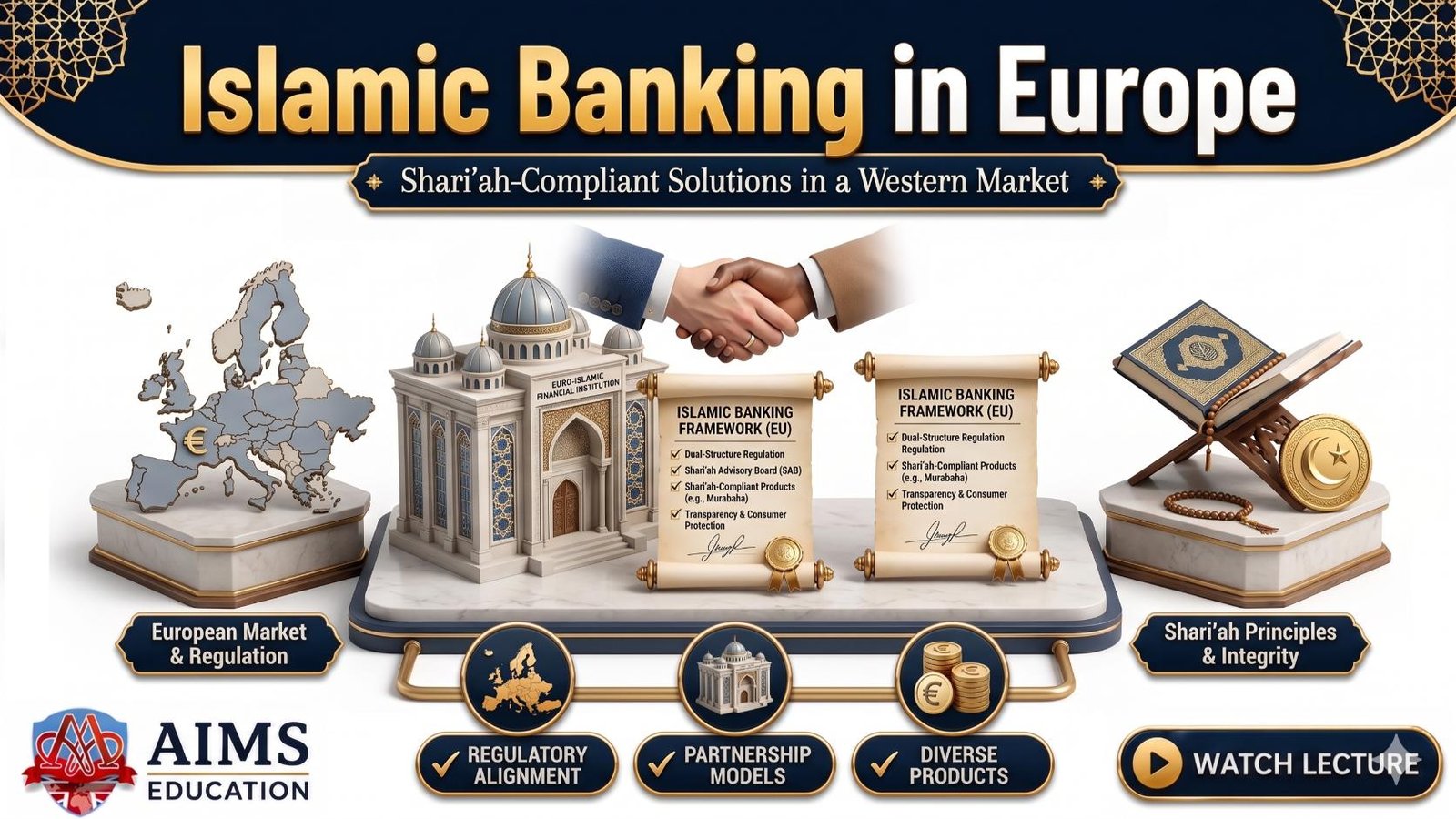
Islamic banking in Europe is Sharia-compliant financial activity delivered through institutions that must also satisfy the banking, consumer-protection, tax and financial-crime laws of their European jurisdiction.Its religious foundation is the prohibition of riba, together with [...]

11 Best Halal Investment Options: A Shariah-Compliant Investing Guide
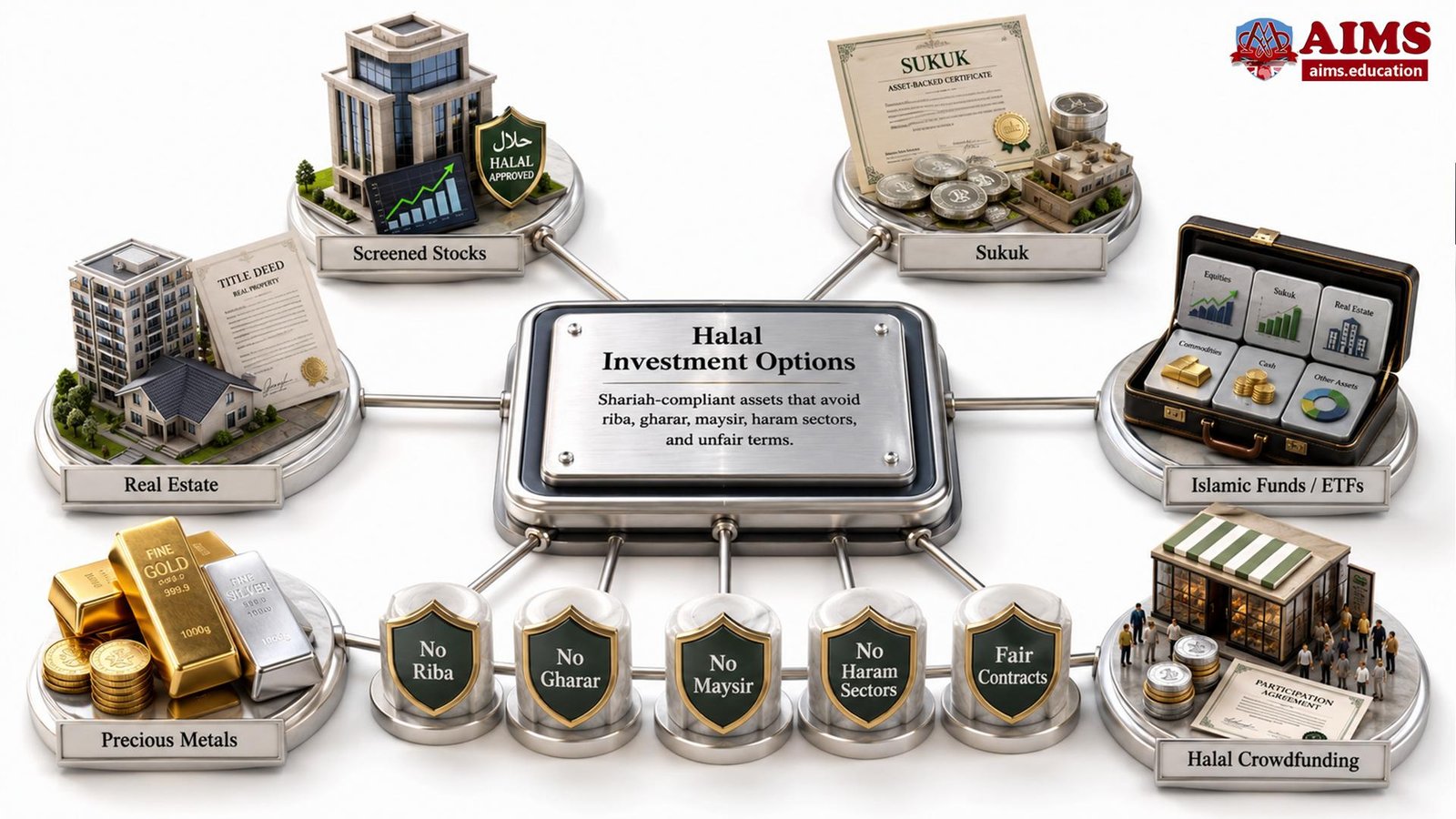
Halal investment options are financial assets and business opportunities that comply with Shariah by avoiding riba, excessive gharar, maysir, prohibited industries, and unjust contractual terms. Common options include Shariah-compliant stocks, halal mutual funds, halal ETFs, [...]
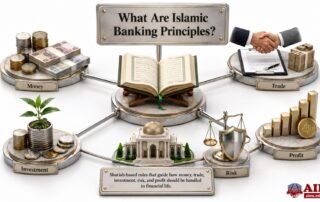
Islamic Banking Principles: Core Islamic Finance Principles & Features
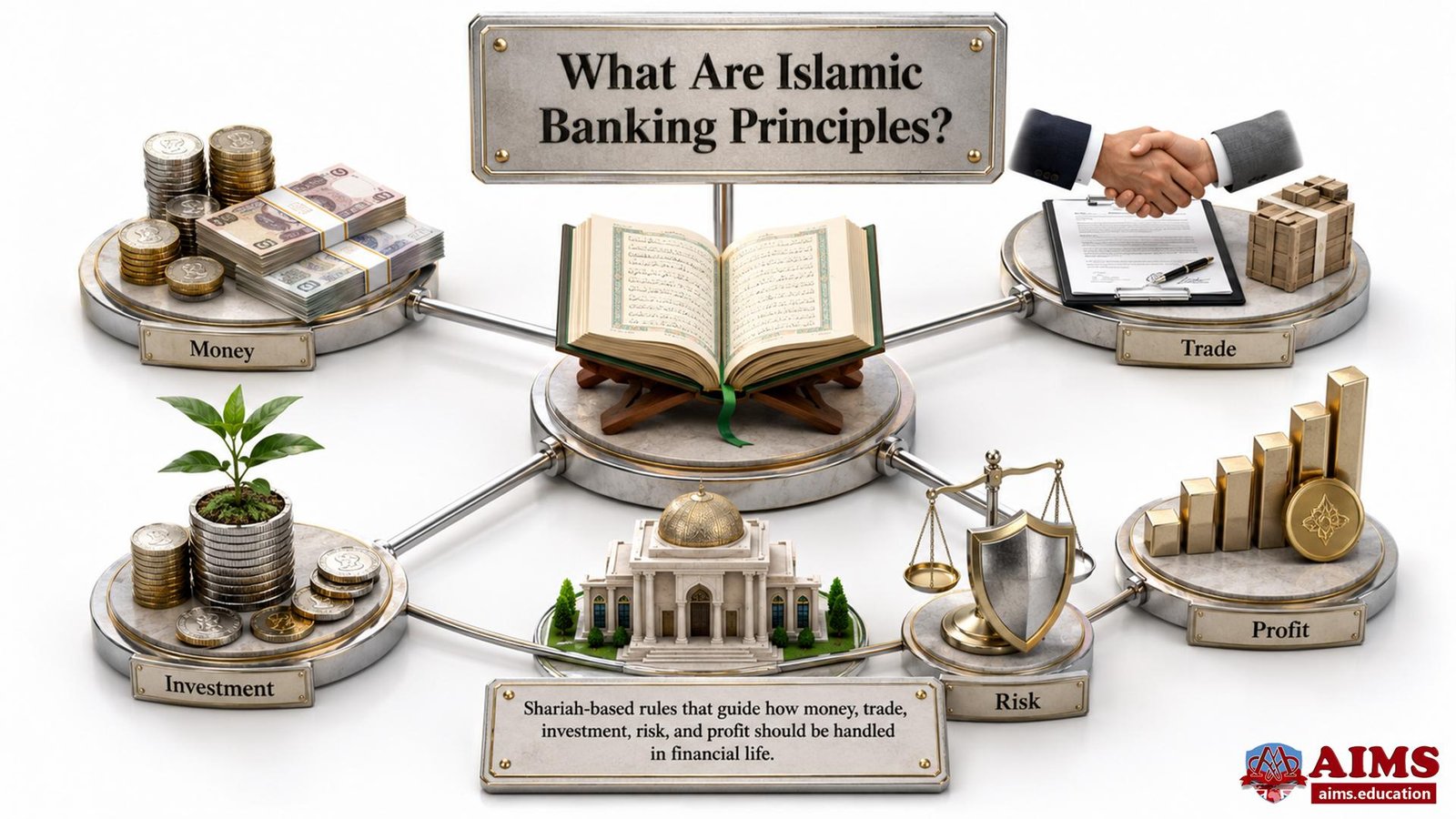
Islamic banking principles are the Shariah-based foundations that explain how banking can be conducted without riba, excessive uncertainty, gambling, or investment in prohibited activities. These Islamic finance principles connect financial return with real economic [...]
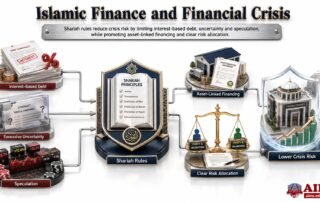
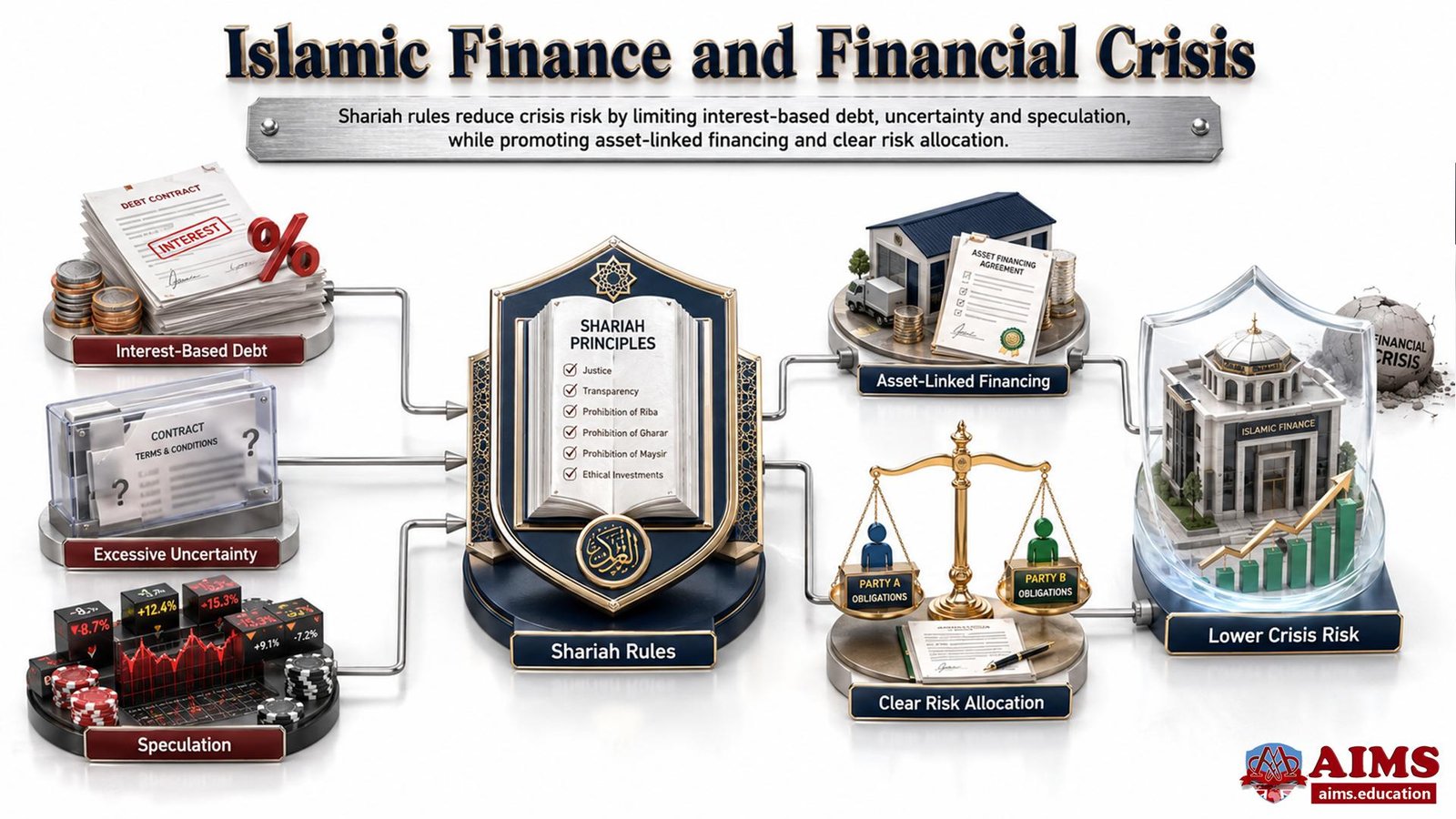
Islamic Finance and Financial Crisis: 5 Reasons Why Islamic Banks May Be More Resilient
Islamic finance and financial crisis are connected through the way Shariah rules limit interest-based debt, excessive uncertainty and speculative transactions while encouraging asset-linked financing and clearer risk allocation. These features may reduce exposure to [...]

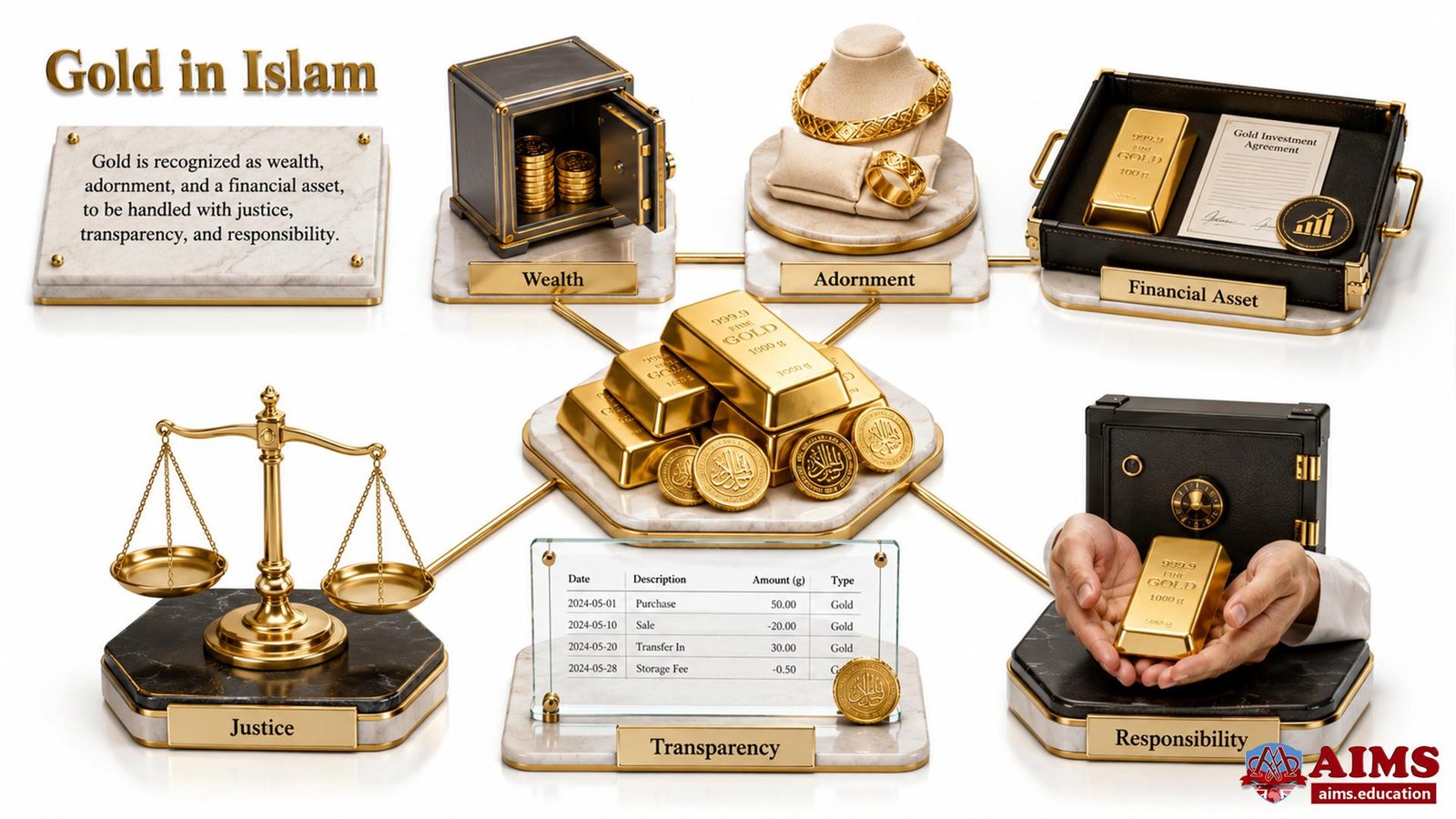
Gold in Islam: Rules, Zakat, Jewelry, Trading, and Islamic Finance
Gold in Islam is treated as valuable wealth, lawful adornment for women, a zakatable asset, and a ribawi item that must follow strict Shariah rules when exchanged. Islamic guidance does not prohibit gold itself. [...]
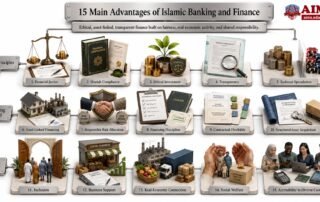

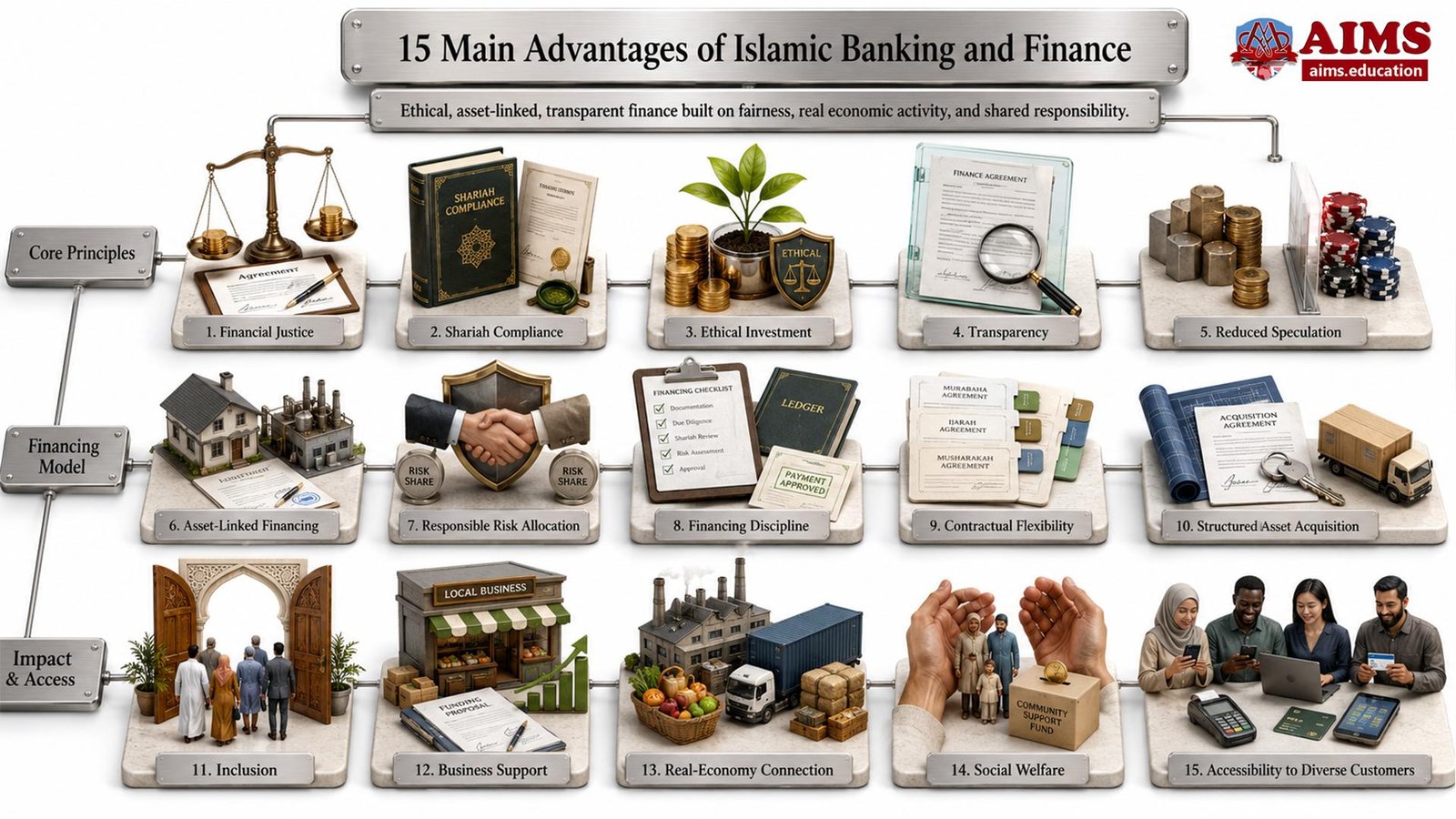
15 Key Benefits and Advantages of Islamic Banking and Finance
The advantages of Islamic banking arise from a Shariah-compliant model that prohibits riba, links financing to lawful assets or services, promotes contractual transparency, and assigns risk according to ownership and agreed responsibilities. Its main [...]