
AIMS’ Islamic Banking and Finance Notes & Free Video Lectures
These Islamic banking and finance notes provide free, structured learning resources for students, finance professionals, researchers, and anyone seeking a clear understanding of Shariah-compliant finance. The collection includes free Islamic finance notes, Islamic banking notes, and video lectures covering key principles, contracts, products, and practical applications in modern Islamic financial institutions.
AIMS’ Islamic finance notes explain important topics such as riba, Shariah law, Murabahah, Mudarabah, Musharakah, Ijarah, Takaful, Sukuk, Islamic accounting, and Islamic economics in a simple and practical way. Each lecture note is designed to support concept clarity, professional learning, and deeper understanding of how Islamic banking and finance works in real-world financial practice.
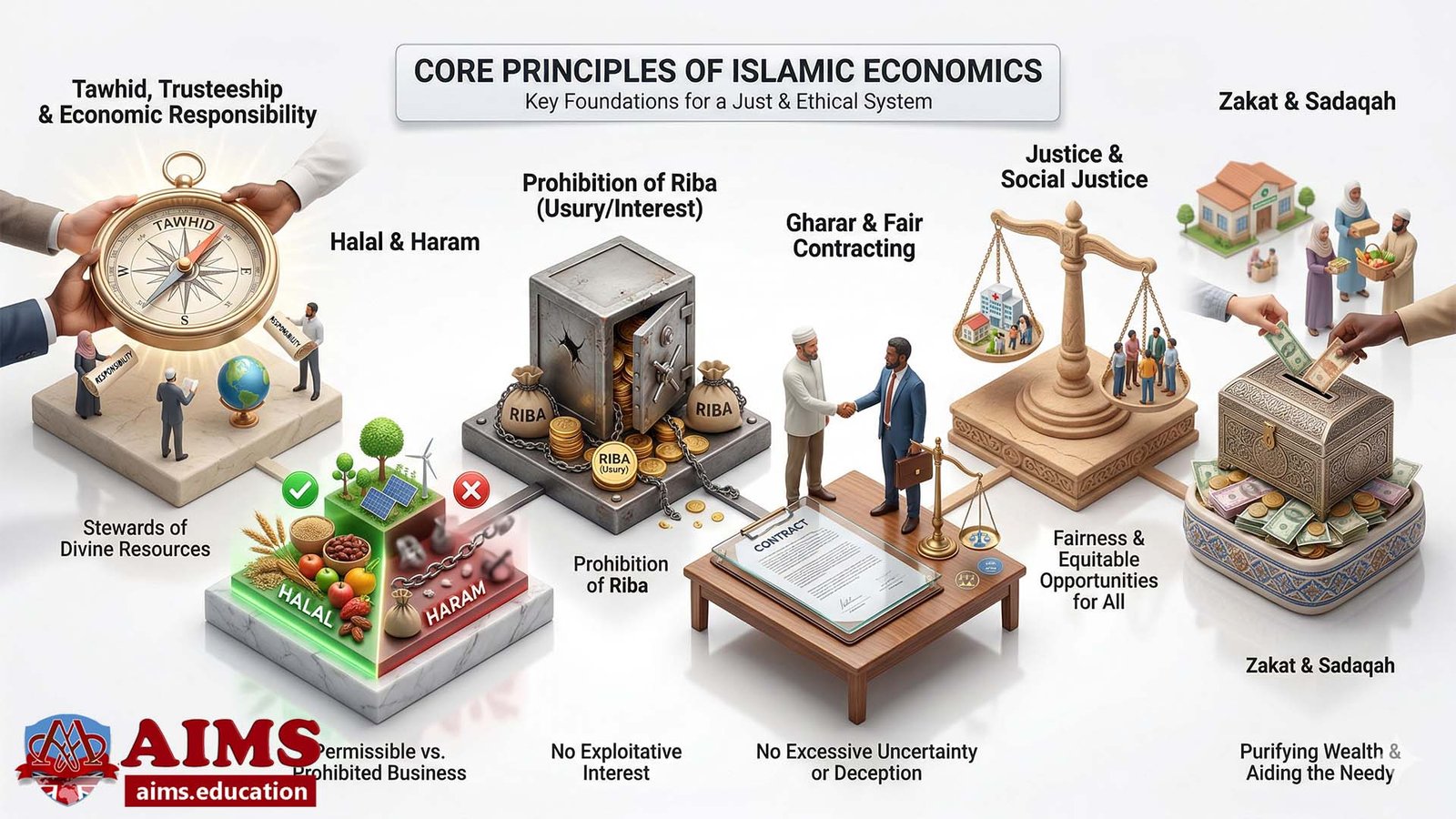
A clear overview of Islamic economics: define this Shariah-driven economic framework and explain its emphasis on equity, zakat, prohibition of interest, and ethical business.
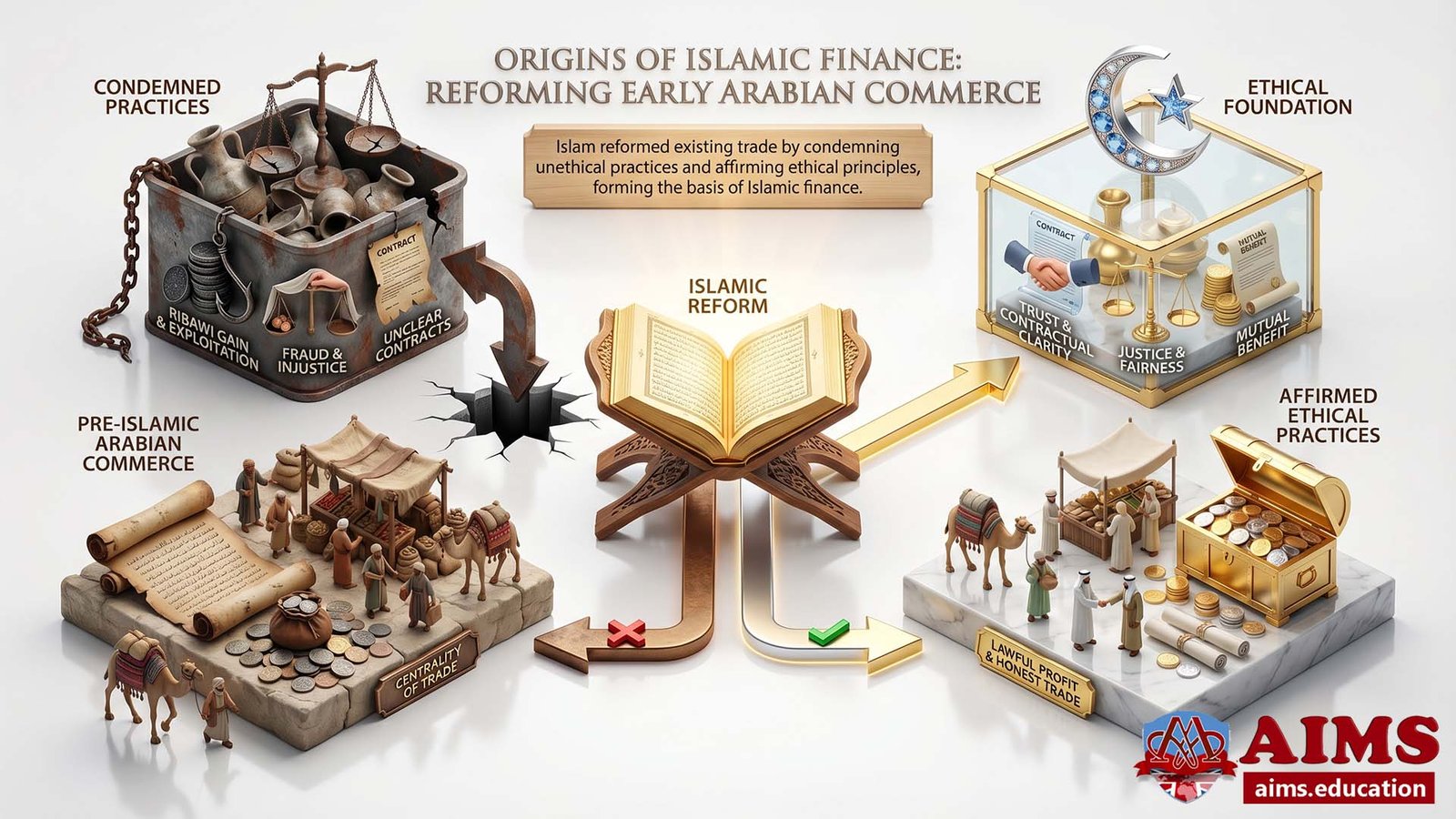
Learn the historical journey of Islamic banking and finance. This concise overview highlights origins, major developments (first banks, IDB, standards) and core Shariah-compliant principles.
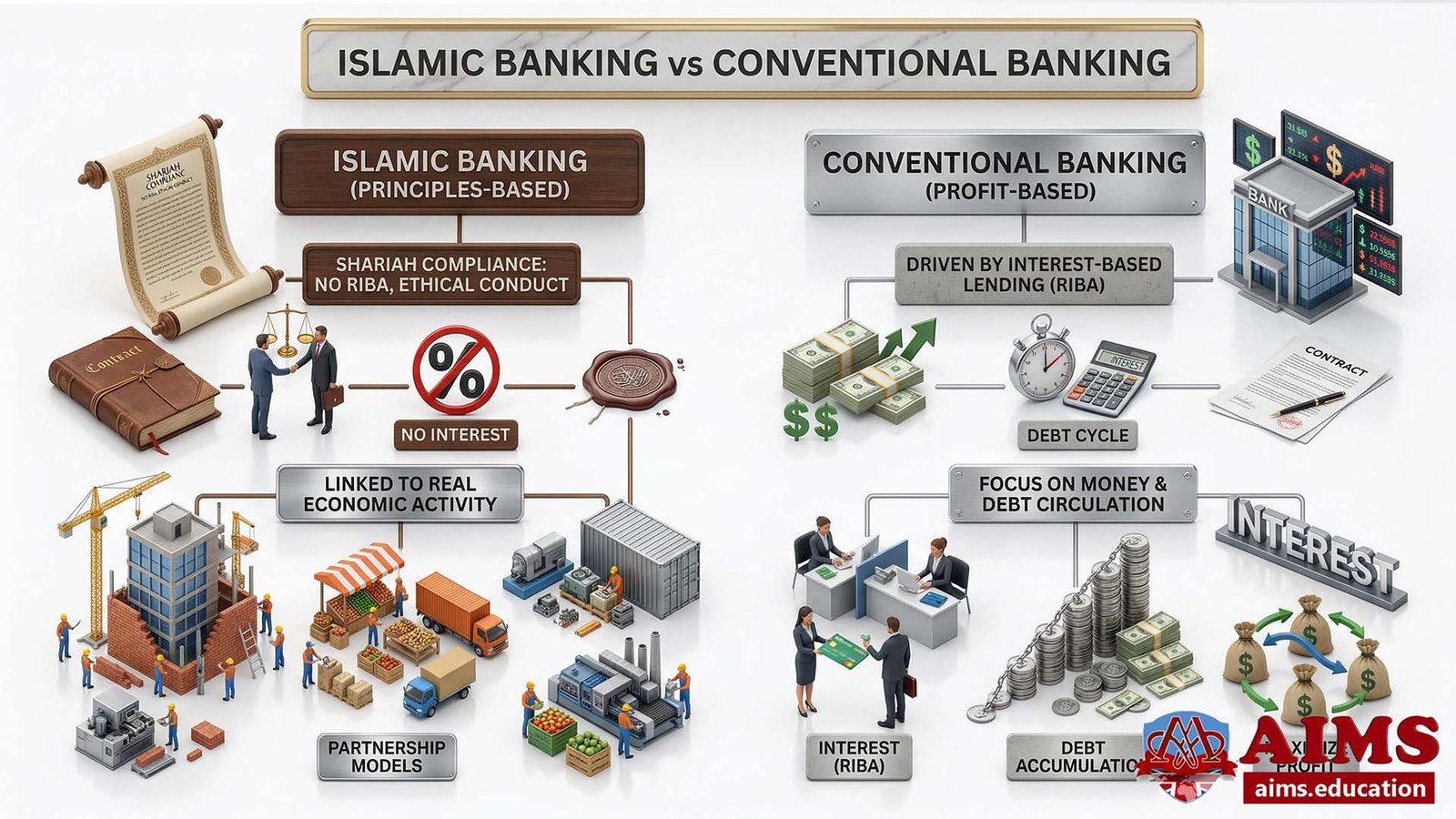
Learn the differences between Islamic and conventional banking. This overview covers Shariah-compliant finance, interest prohibition, and profit-sharing models.
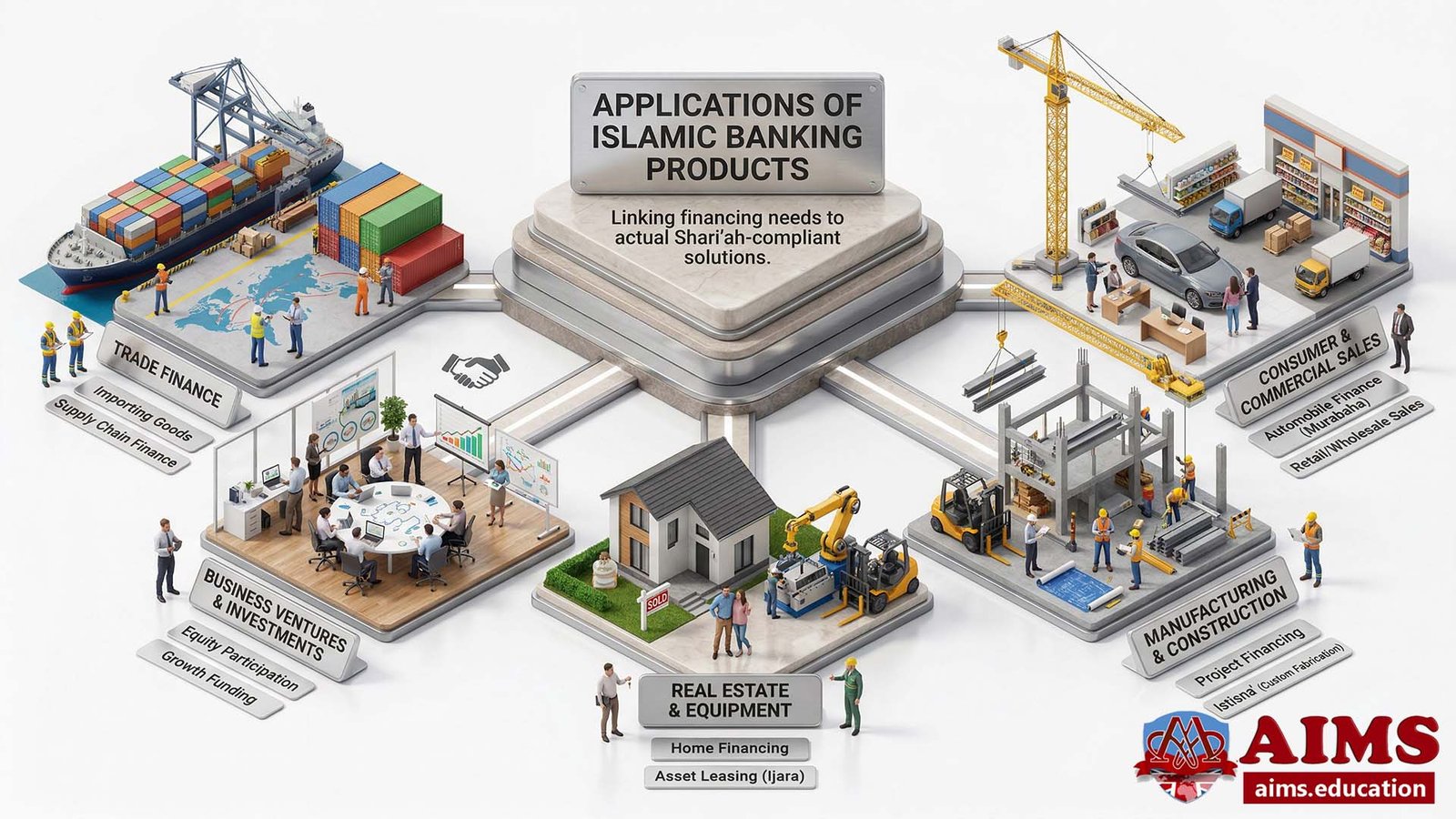
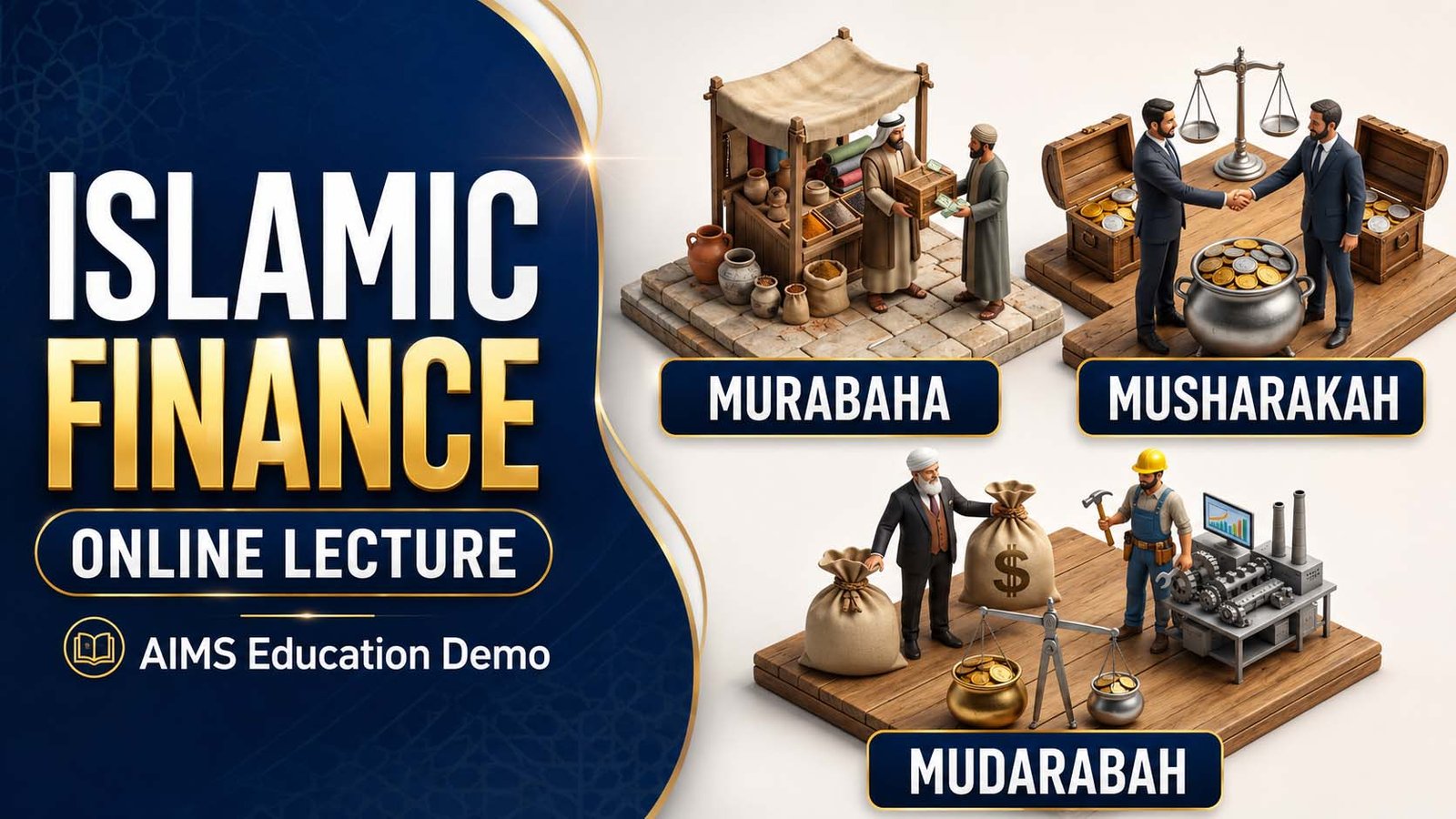
Discover the types of Islamic financial instruments (Murabaha, Mudarabah, Salam, Ijarah, Sukuk, etc.). Understand Shariah-compliant banking products and their principles in simple terms.
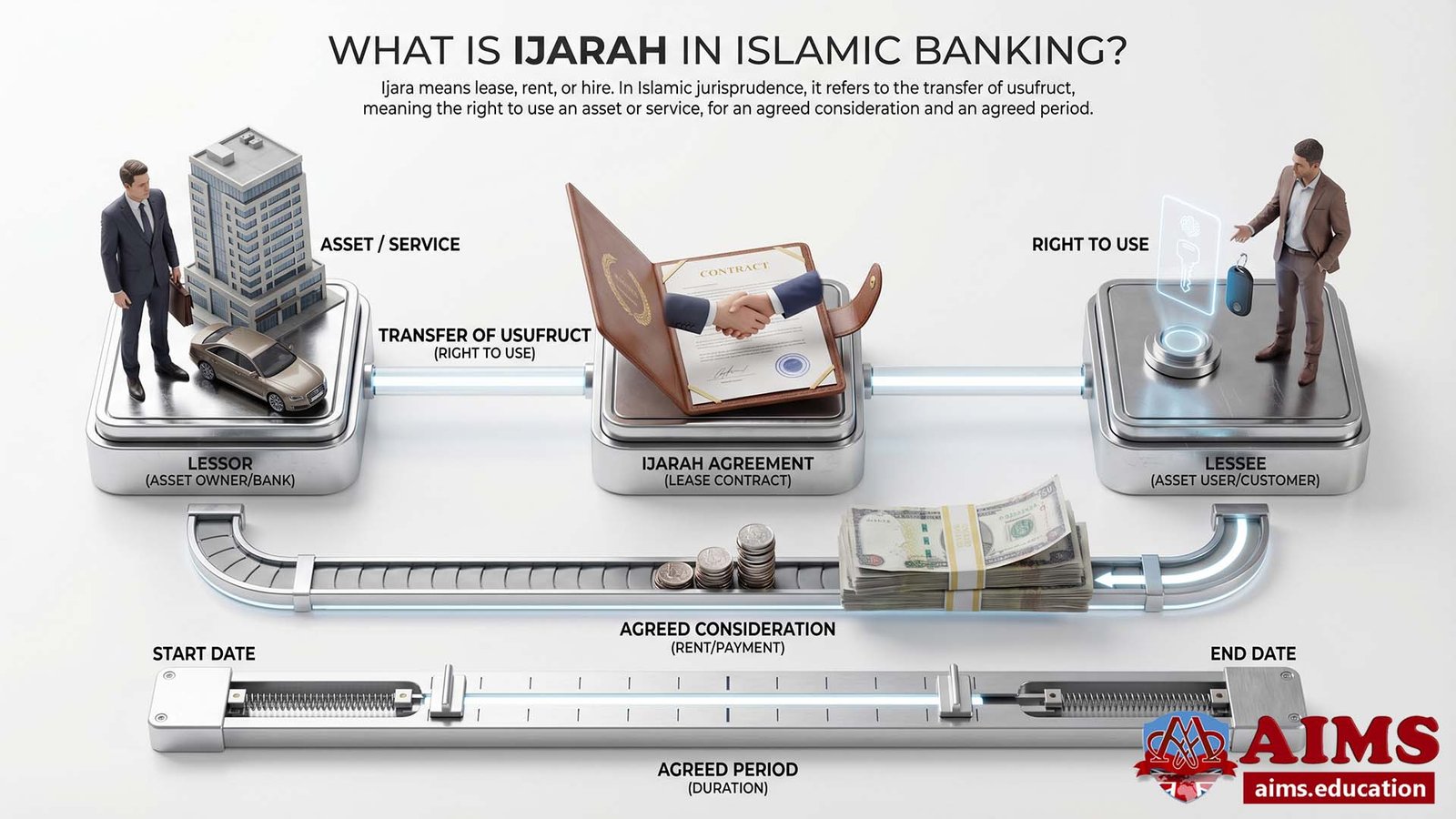
What is Ijarah? Learn about this Islamic finance lease: its meaning, conditions under Shariah, different forms (e.g., Ijarah wa Iqtina), and how it works with examples.

Understand diminishing Musharakah contact, its use in Islamic home financing, and the stepwise buyout process. Understand its ethical, Shariah-compliant nature vs conventional loans.
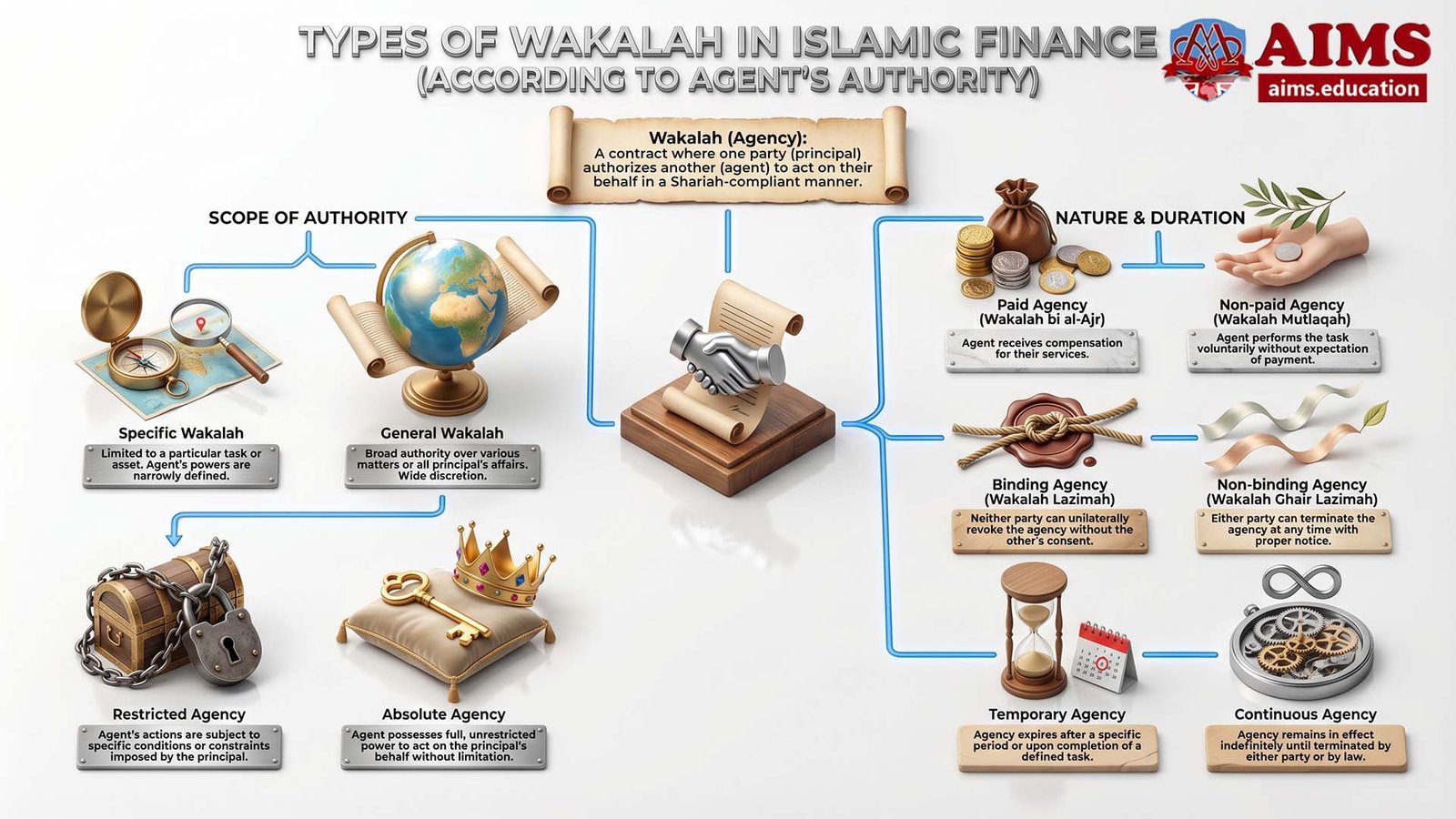
Discover what Wakala (agency) means in Islamic banking. This guide explains its Shariah basis, features, examples, and how it compares to Mudarabah and other Shariah compliant contracts.
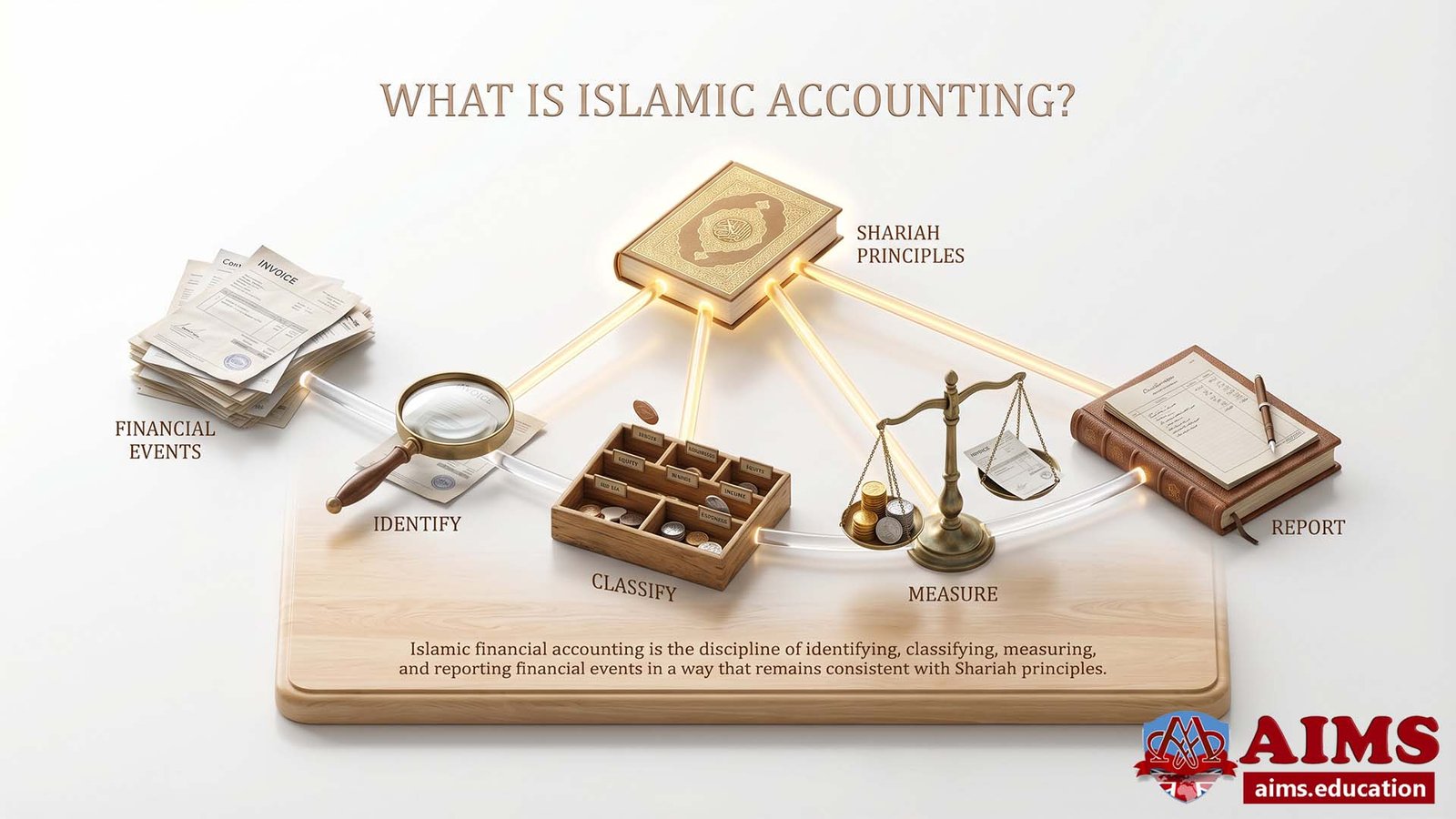
Learn how Islamic accounting aligns finance with Shariah law. Explore its definition, core principles, AAOIFI guidelines, and key differences from traditional accounting.

Ju’alah is a contract in which the offeror, called the Ja’il, undertakes to pay a specified reward to a worker, called the ‘Amil, if the worker achieves a defined result …
Hadith narrated by Hazrat Jabir (Radiallahu Anhu)!
“The Prophet (Allah bless him and give him peace), may cursed the receiver and the payer of interest, the one who records it and the two witnesses to the transaction and said: “They are all alike [in guilt]”
Reference: Muslim, Mushqaat & Tirmidhi
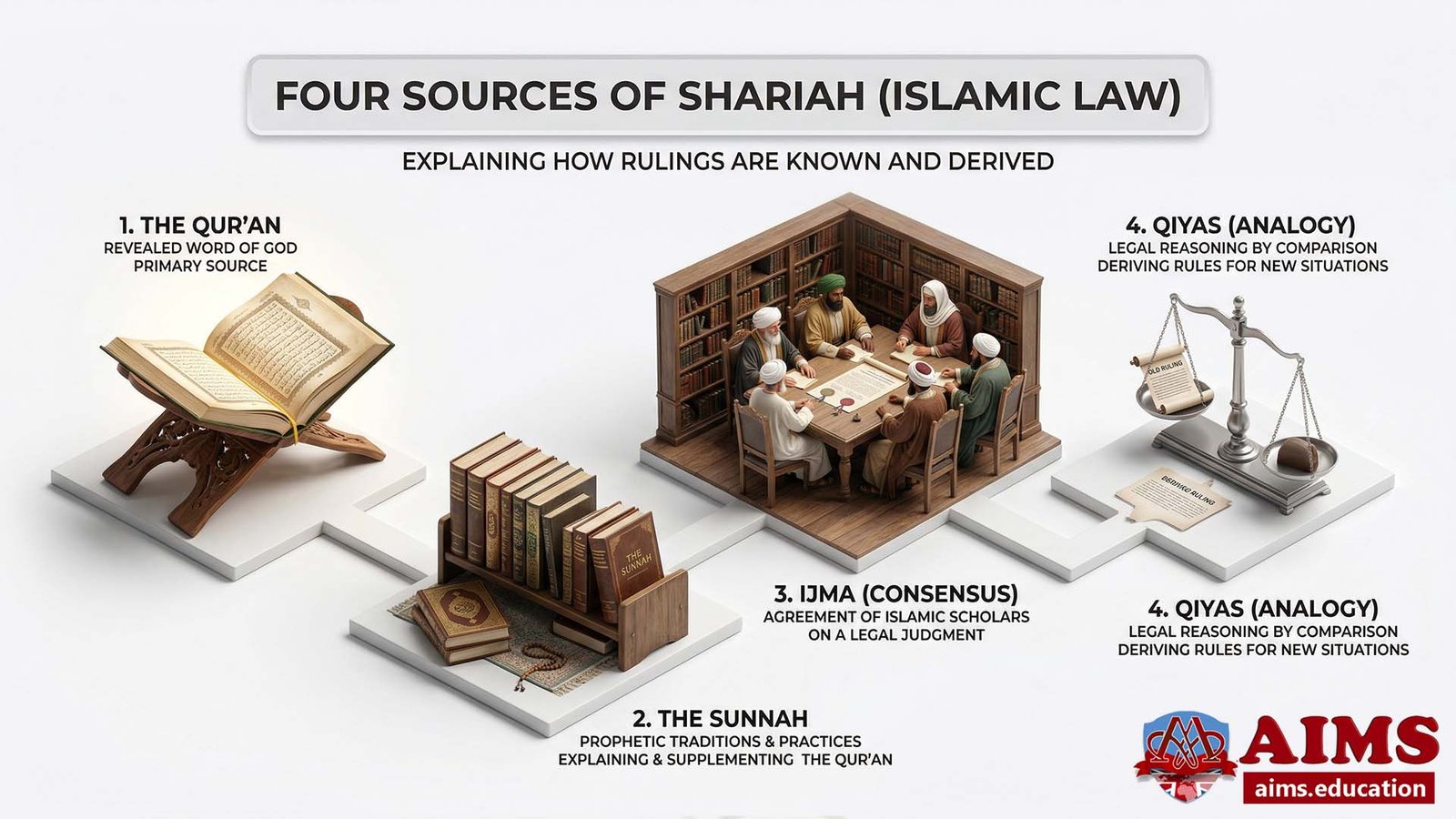
Learn what Shariah (Islamic law) really means, and explore its four key sources (Qur’an, Sunnah, Ijma, Qiyas). This guide explains Shariah’s definition, scope, and objectives clearly.

Explore the core principles of Islamic banking, how do Islamic banks work, and key Shariah-Compliant banking rules for halal banking practices. Learn how Halal banking rests on a different economic logic.
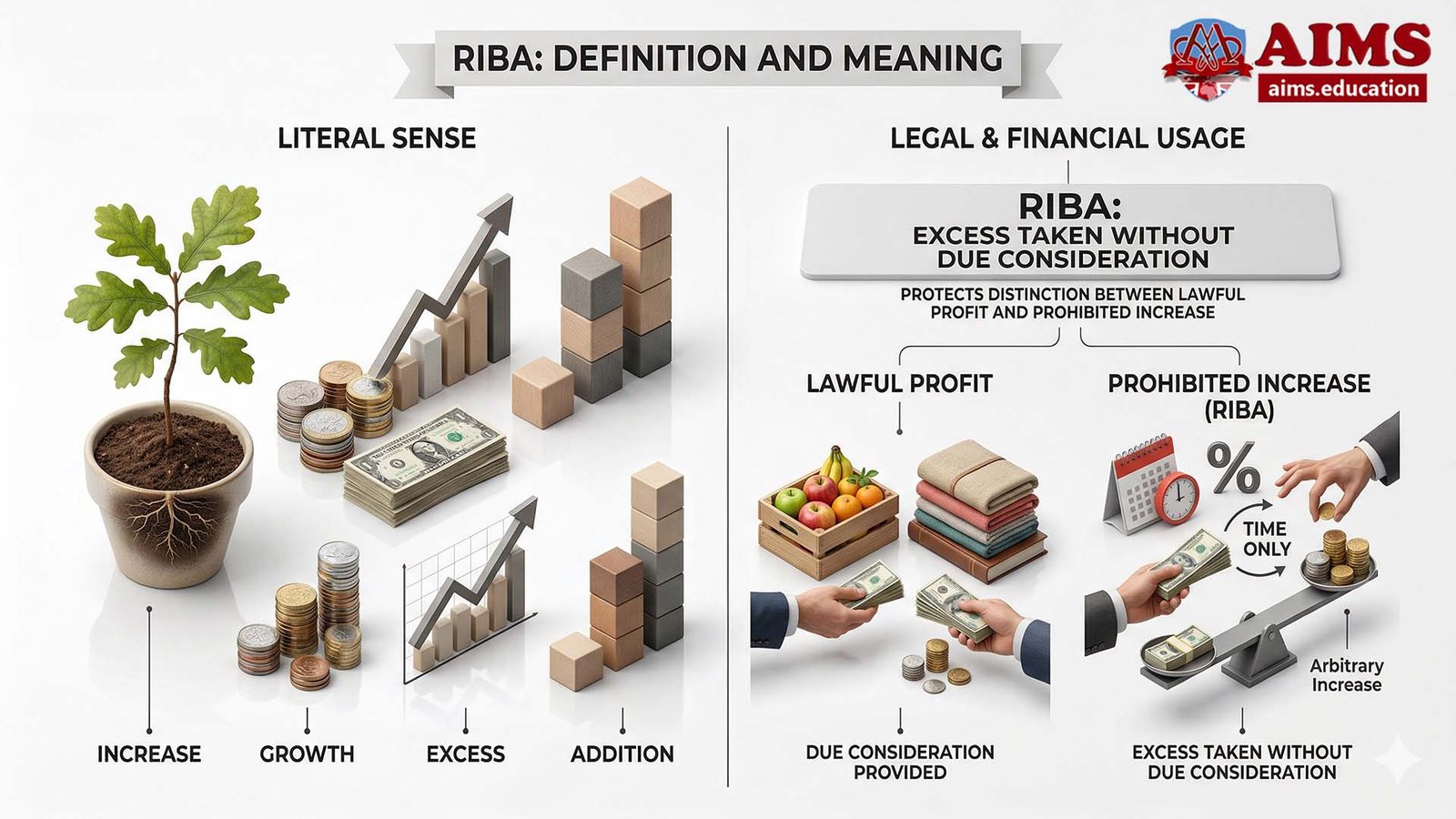
Explore the concept of Riba in Islam: its definition, examples of usury, and how Islamic banking provides alternatives to interest. Get clear answers on Riba.
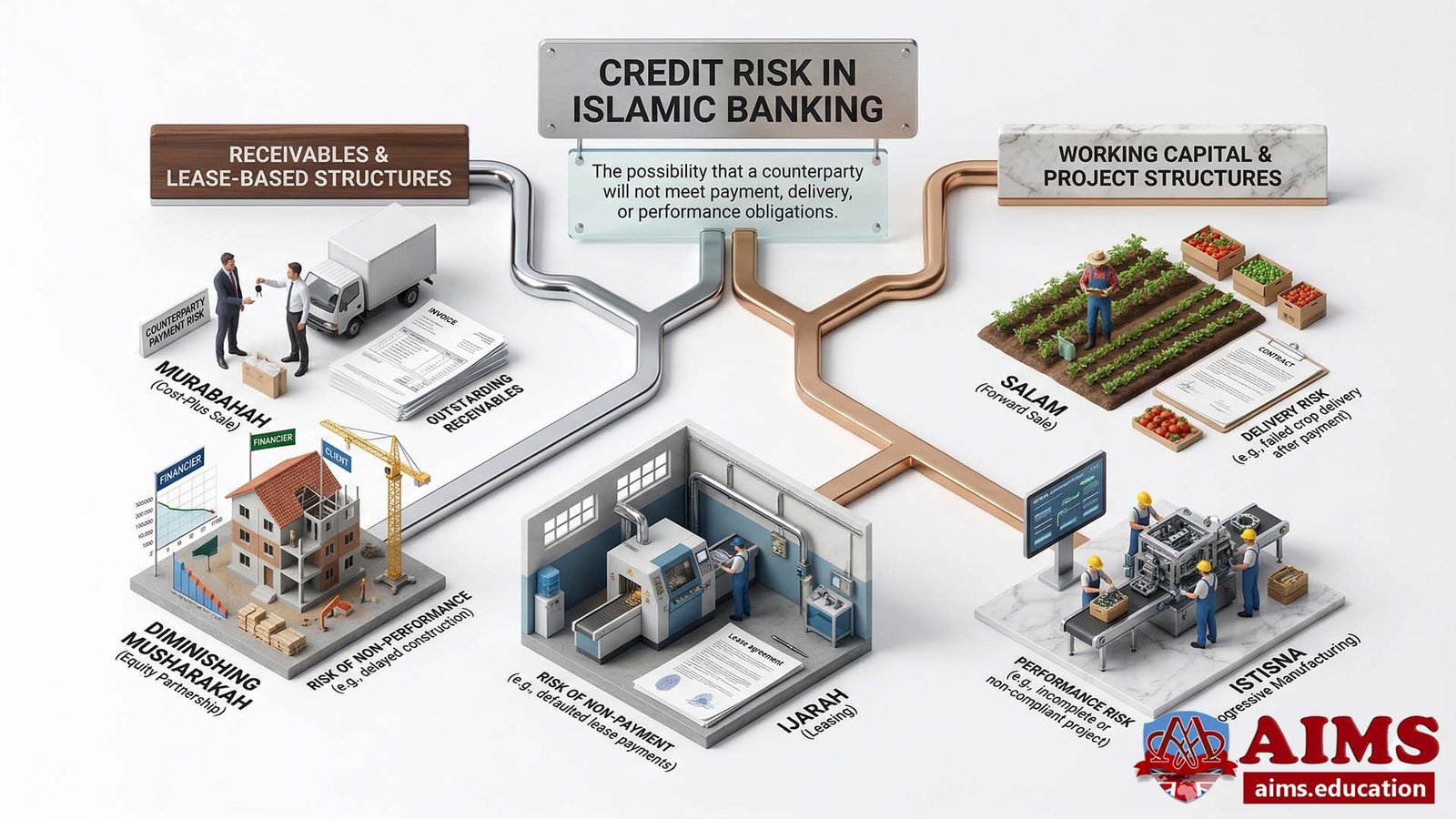
Learn how Islamic banks manage unique financial and Shariah risks. This guide covers key risk types, Shariah governance, and best practices in Islamic finance risk management.

Learn Murabaha (Islamic cost-plus financing) – discover what Murabaha is, how the profit-based sale works under Shariah, key contract rules, and practical examples of usage.

Discover Salam financing in Islamic banking: an advance-payment sale contract. Understand its rules, benefits, and differences from similar contracts, plus examples of use Salam contract in Islamic finance.
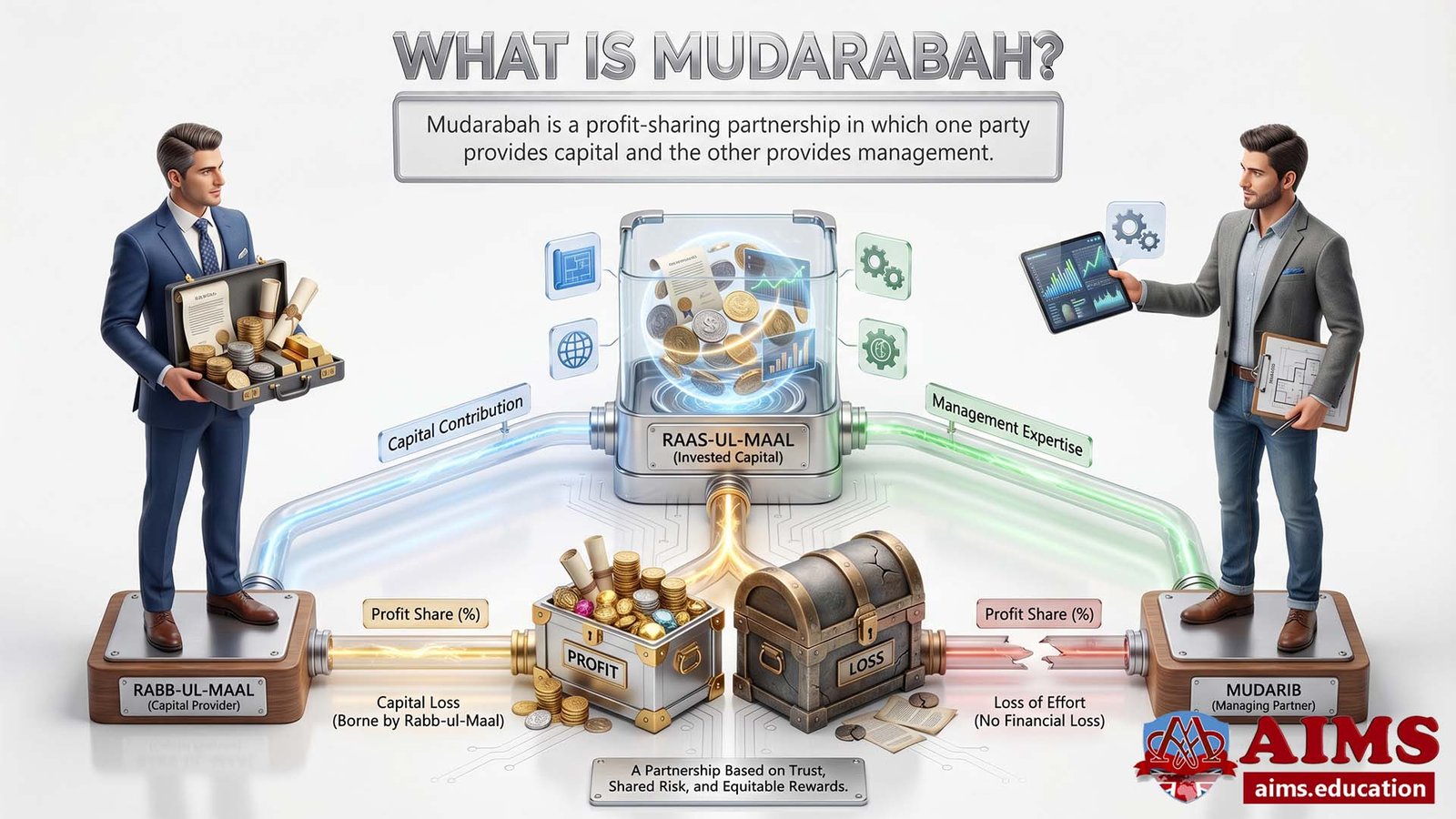
Discover Mudarabah – a Shariah-compliant profit-sharing contract. Understand the role of partners, how profits and losses are shared, and the conditions of a valid Mudarabah agreement.

Discover the basics of Takaful, the Shariah-compliant insurance system: explore its models, principles, and benefits compared to traditional insurance.
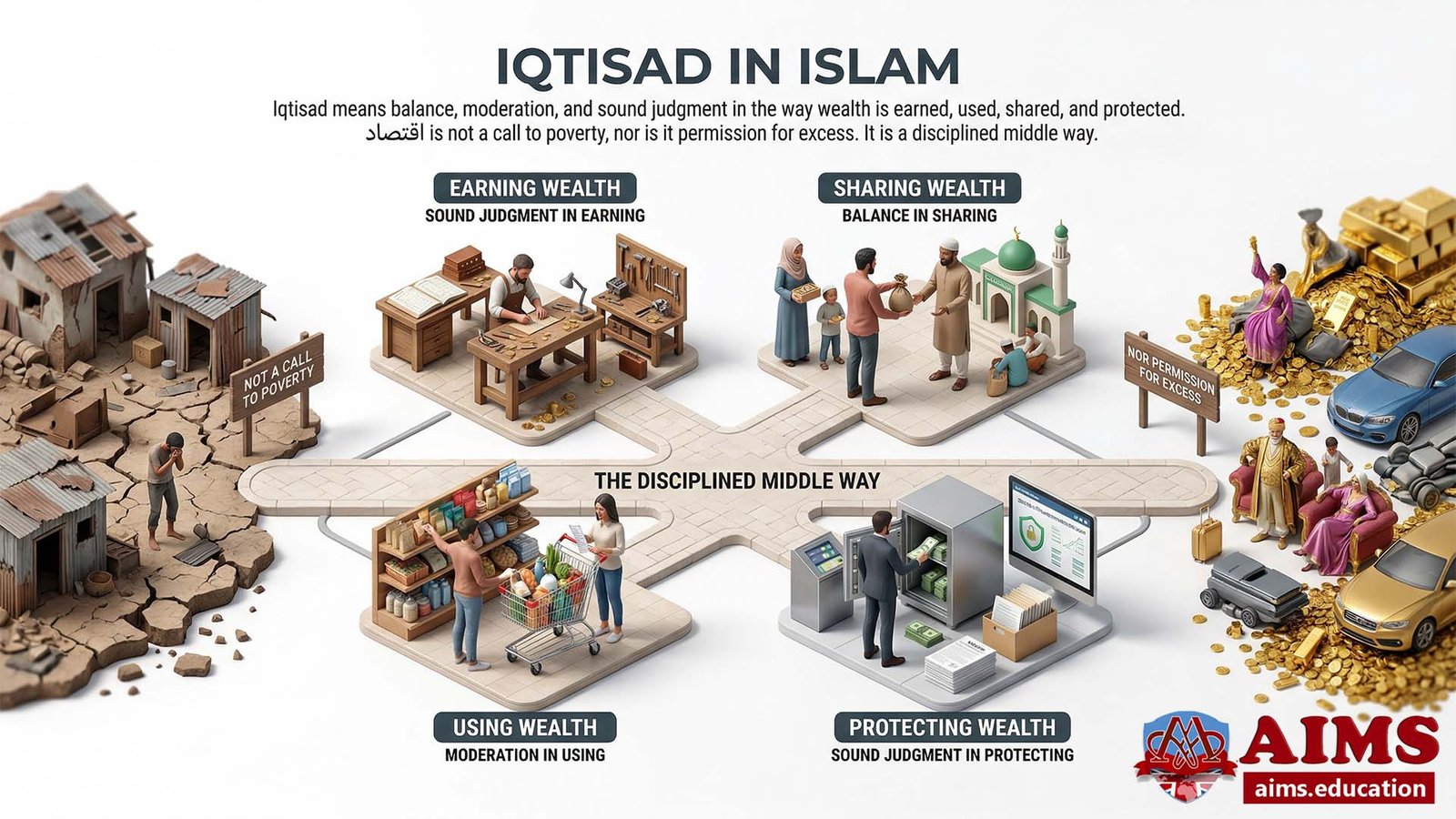
Iqtisad in Islam is a disciplined middle way that connects material life with moral responsibility, social justice, and accountability before Allah.
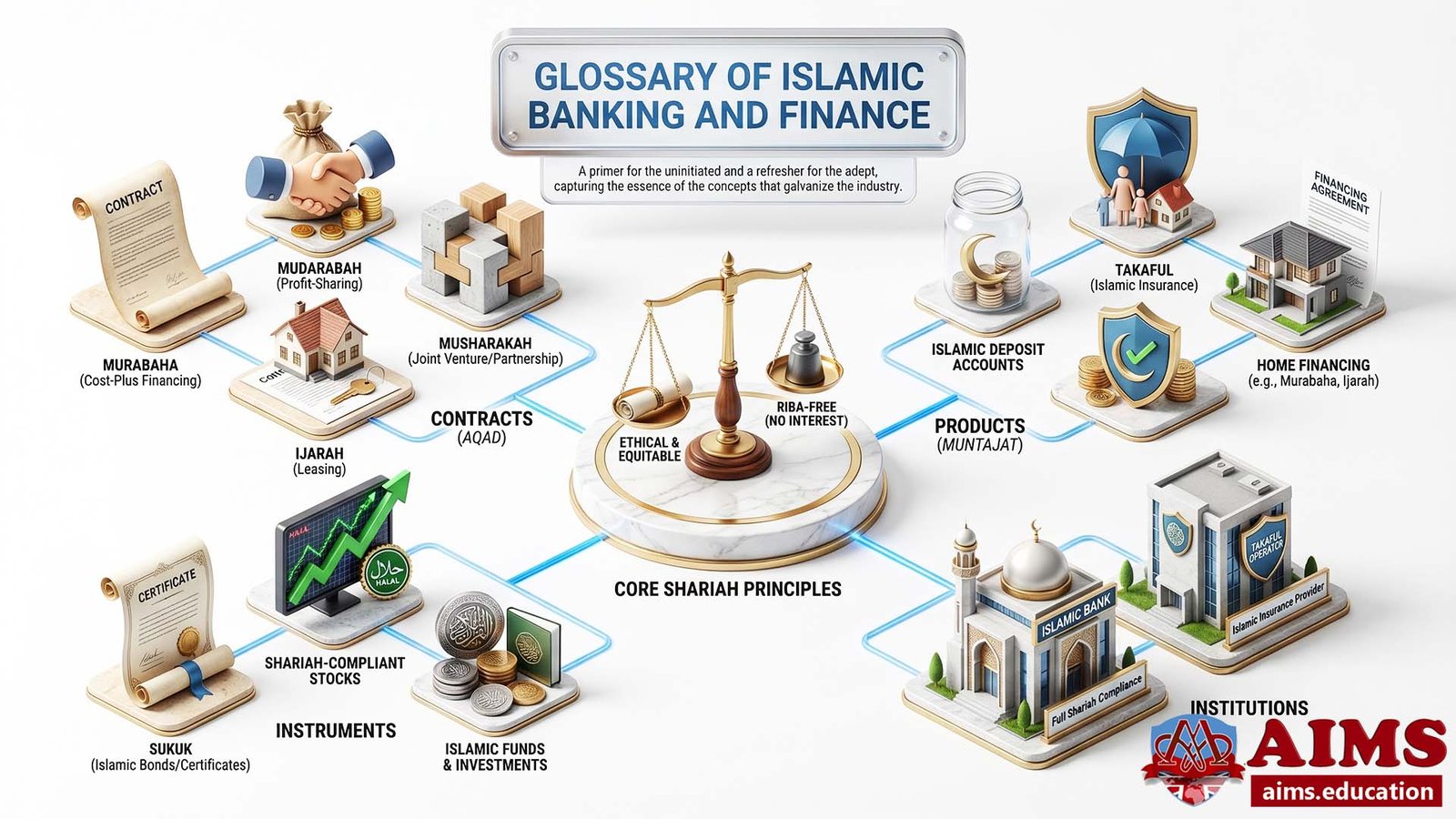
This section gives a definition and a brief overview of major terminologies in Islamic Economics, Islamic Banking, Islamic Finance, and Takaful …
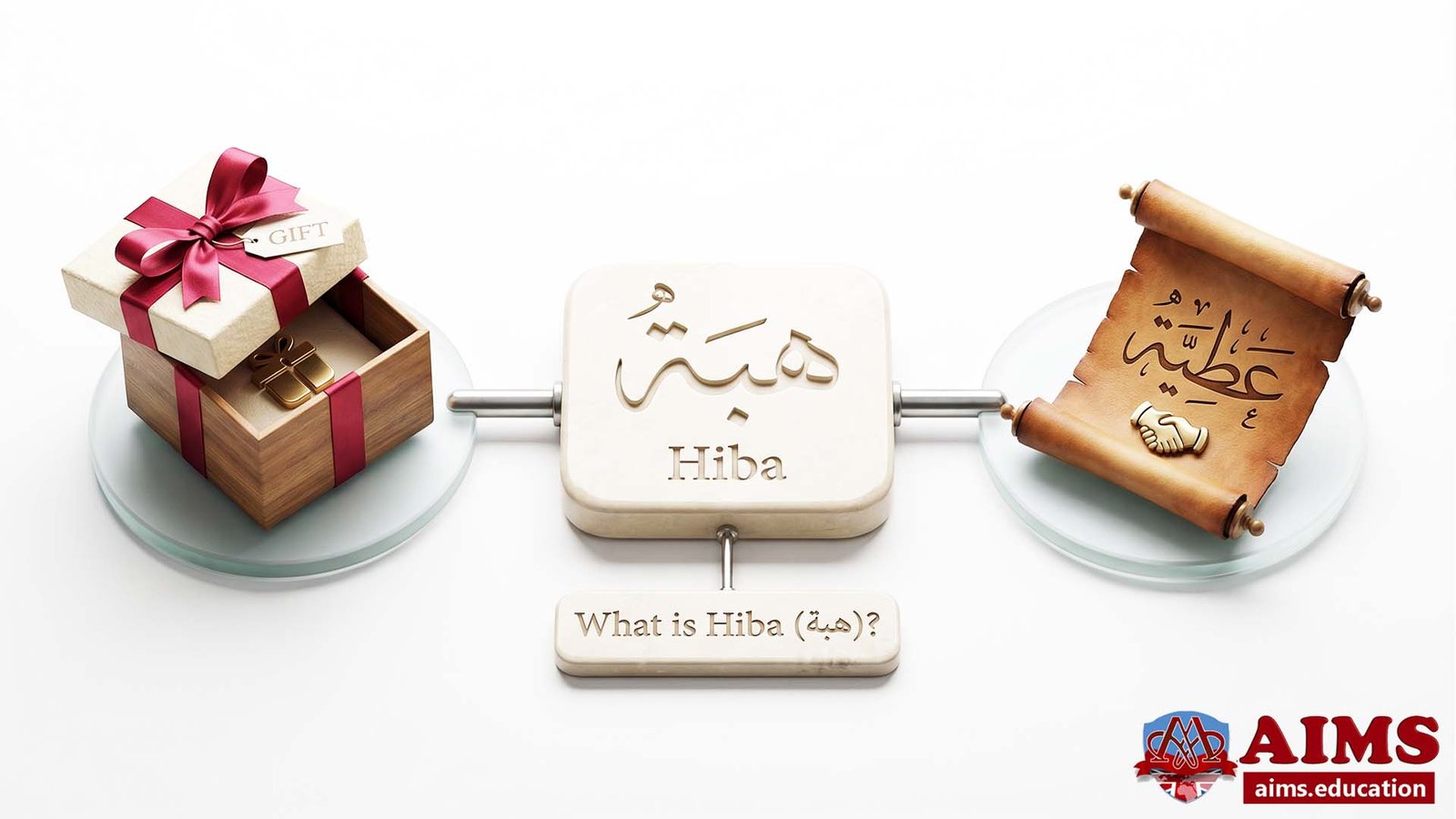
Hiba Meaning A Hiba (هبة) is an Arabic term that means “gift”, and it is also synonymous with ‘Atiyya (عطية). Hiba in Muslim Law refers to the voluntary transfer of ownership of assets or …
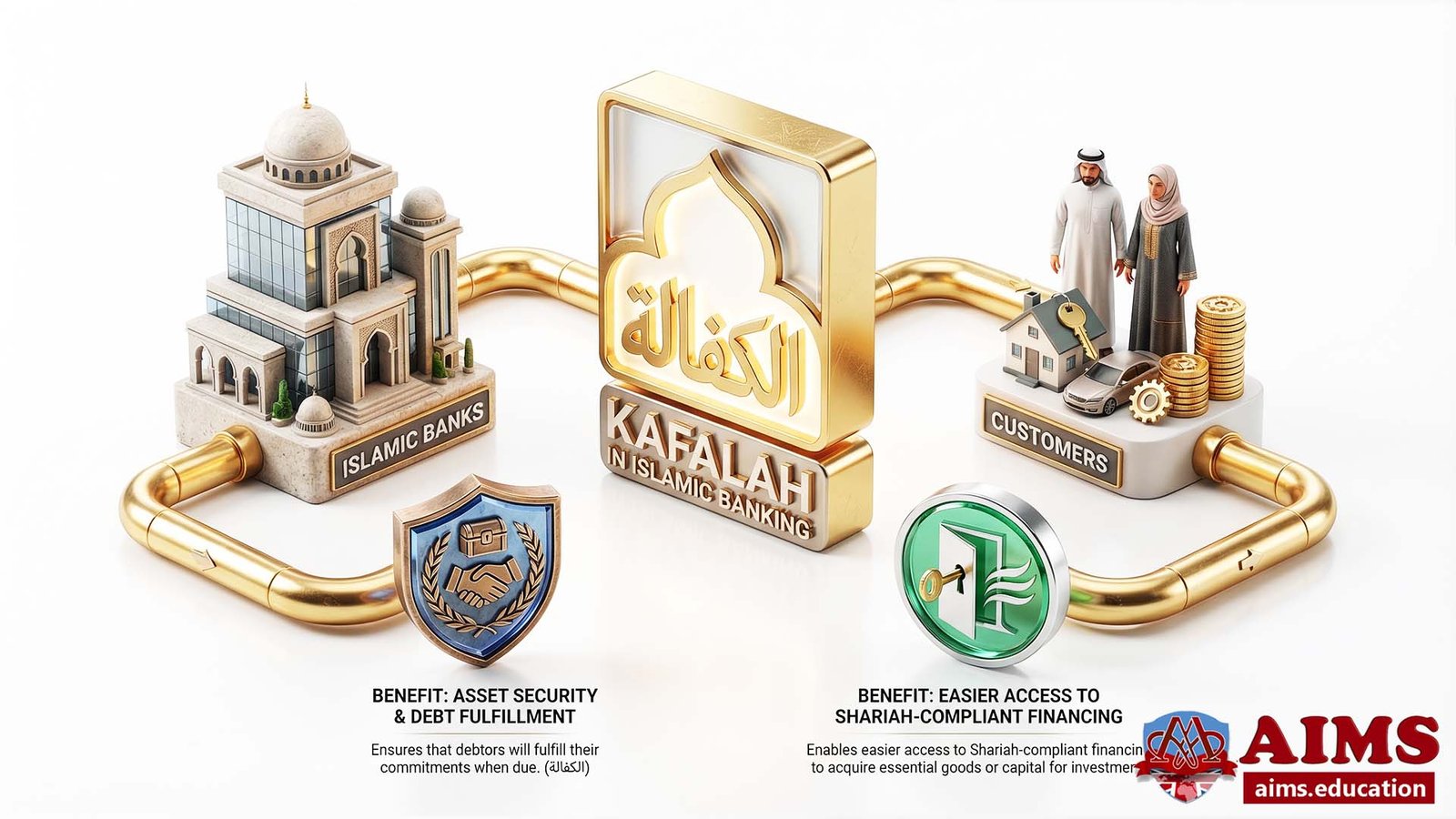
What is Kafalah? Kafalah or “الكفالة” originated from the Arabic root word “Kafi”, which means “surety,” “guarantee,” or “support.” Kafalah in Islamic banking and finance provides a formal guarantee …

The Concept of Consumption in Islam Consumption, in Islamic terminology, refers to the act of using goods and services to satisfy human needs and desires. Consumption in Islamic economics is …
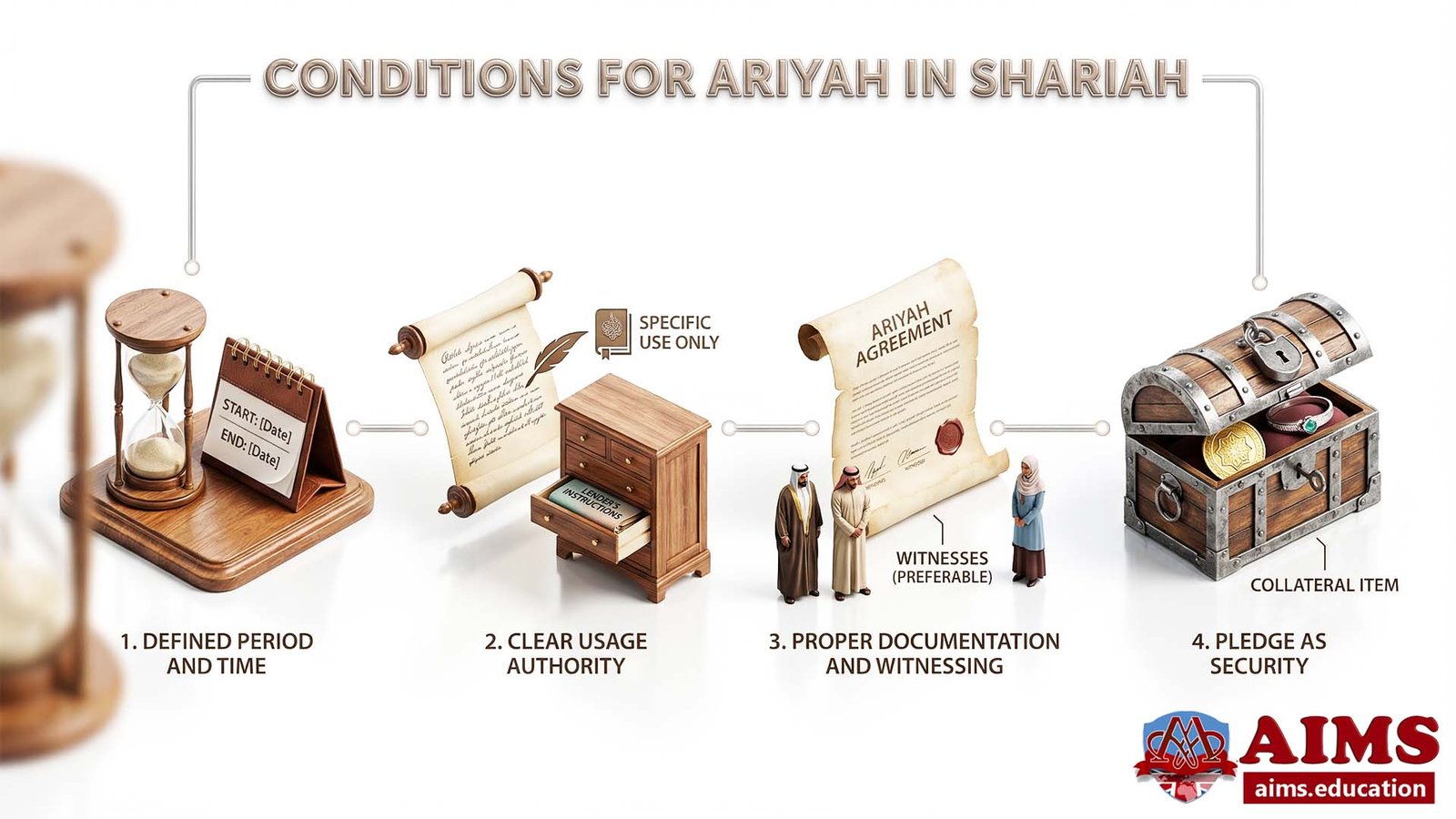
What is an Ariyah? Ariyah is an Arabic term that refers to the lending of non-fungible objects for a gratuitous purpose. In classical Islamic jurisprudence, Ariyah (also spelled Aariyat) is defined as …
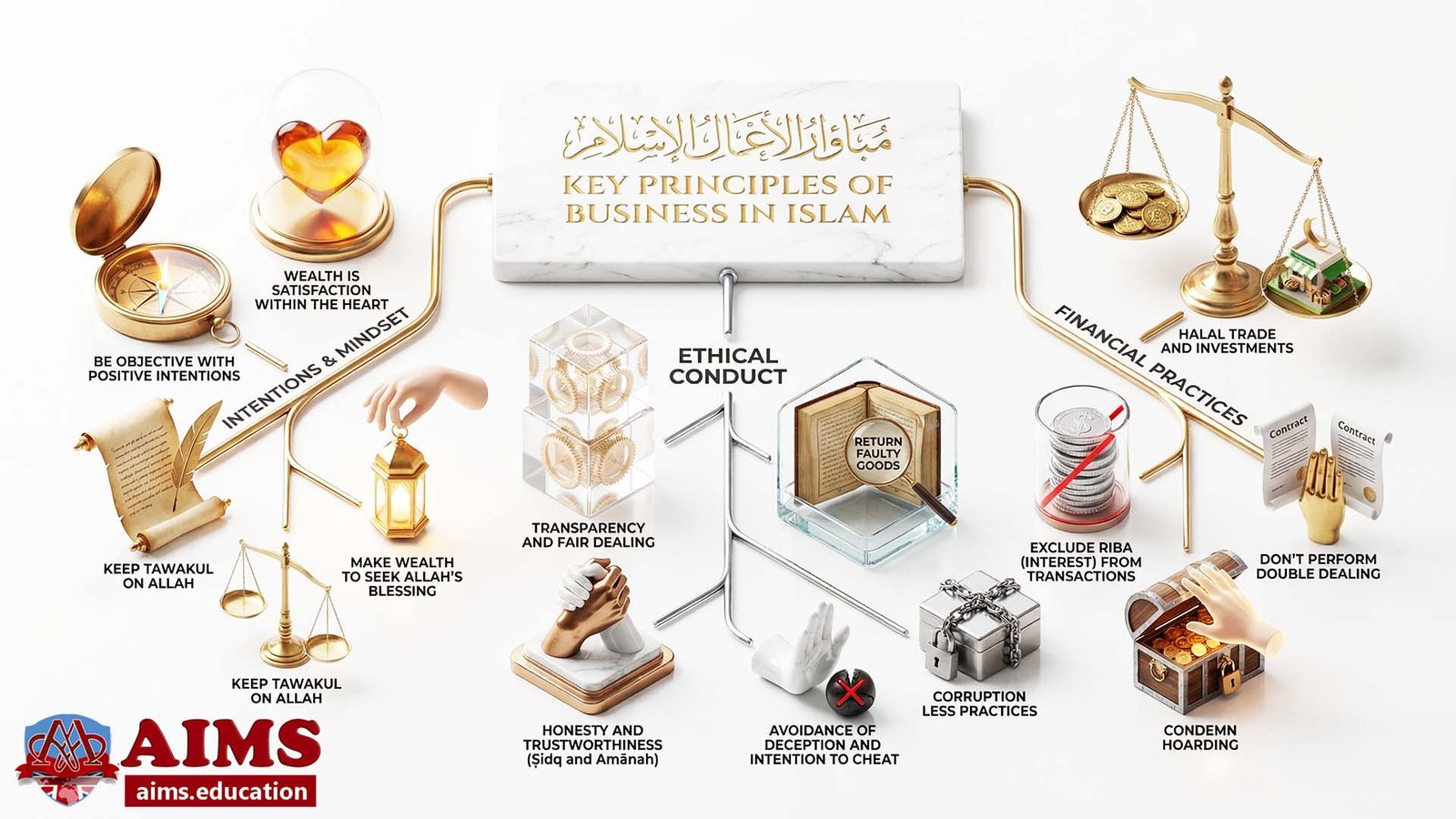
What are the Principles of Business in Islam? Islam is not just a religion—it is a comprehensive way of life that deeply values ethical business conduct. Islam outlines clear and practical guidelines for

What is Hawala (حوالہ)? In Arabic, the term ḥawala or حوالہ refers to “transfer” or “trust”, and it is an informal way of transferring funds where no actual cash is interchanged.


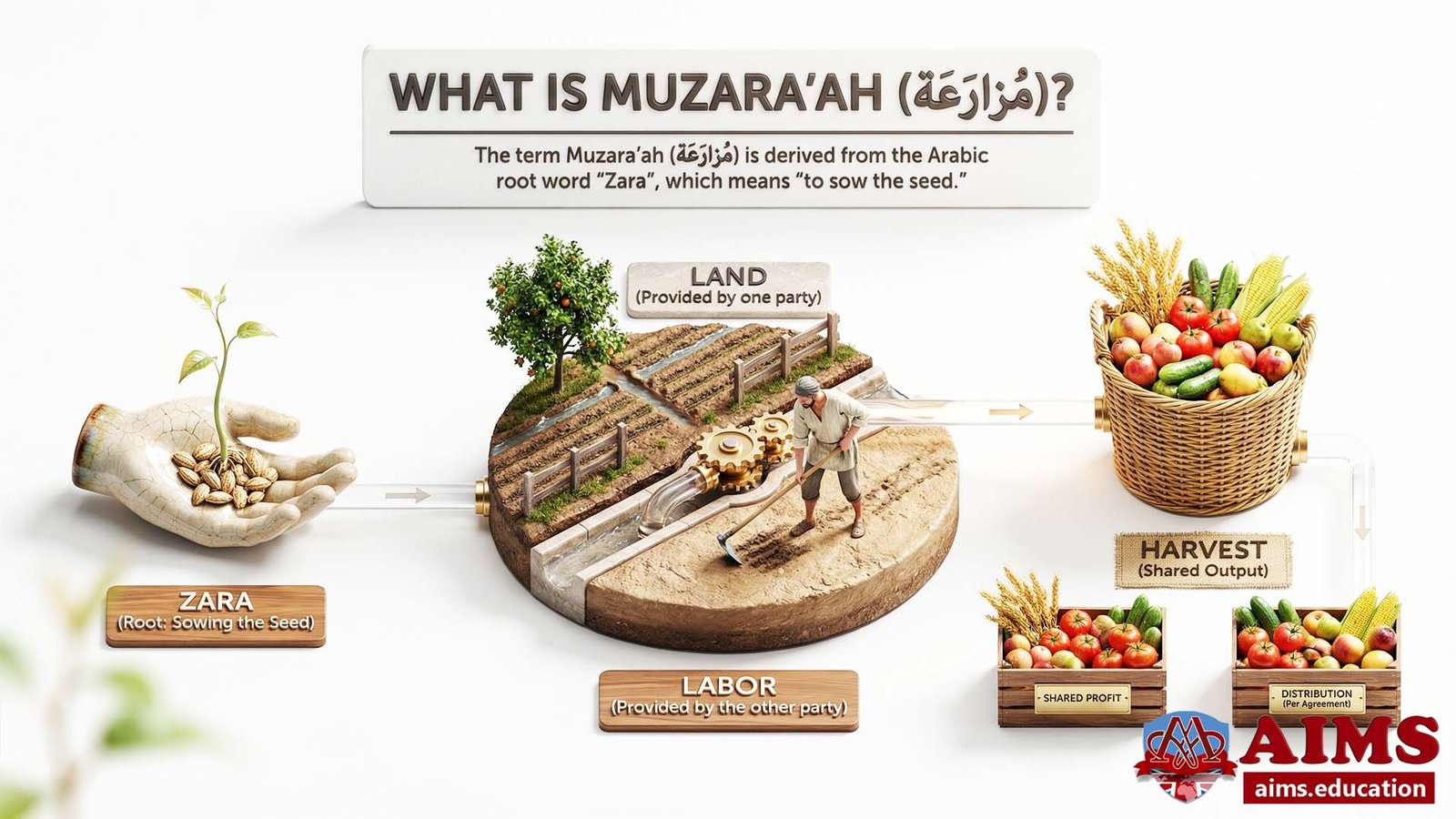
What is Muzara’ah (مُزارَعَة) in Islam? The term Muzara’ah (مُزارَعَة) is derived from the Arabic root word “Zara”, which means “to sow the seed.” In Islam, Muzara’ah refers to a contractual arrangement …



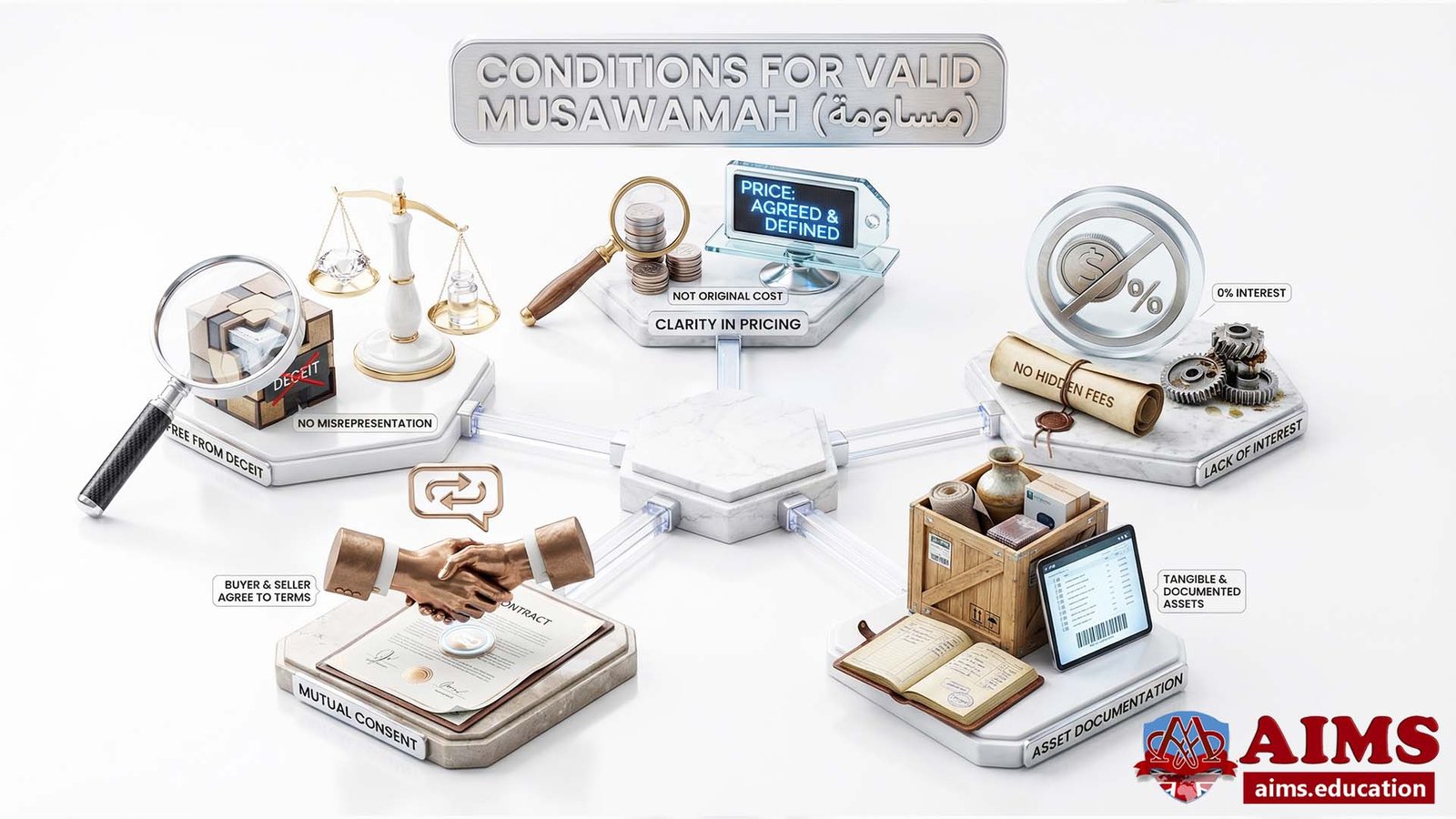





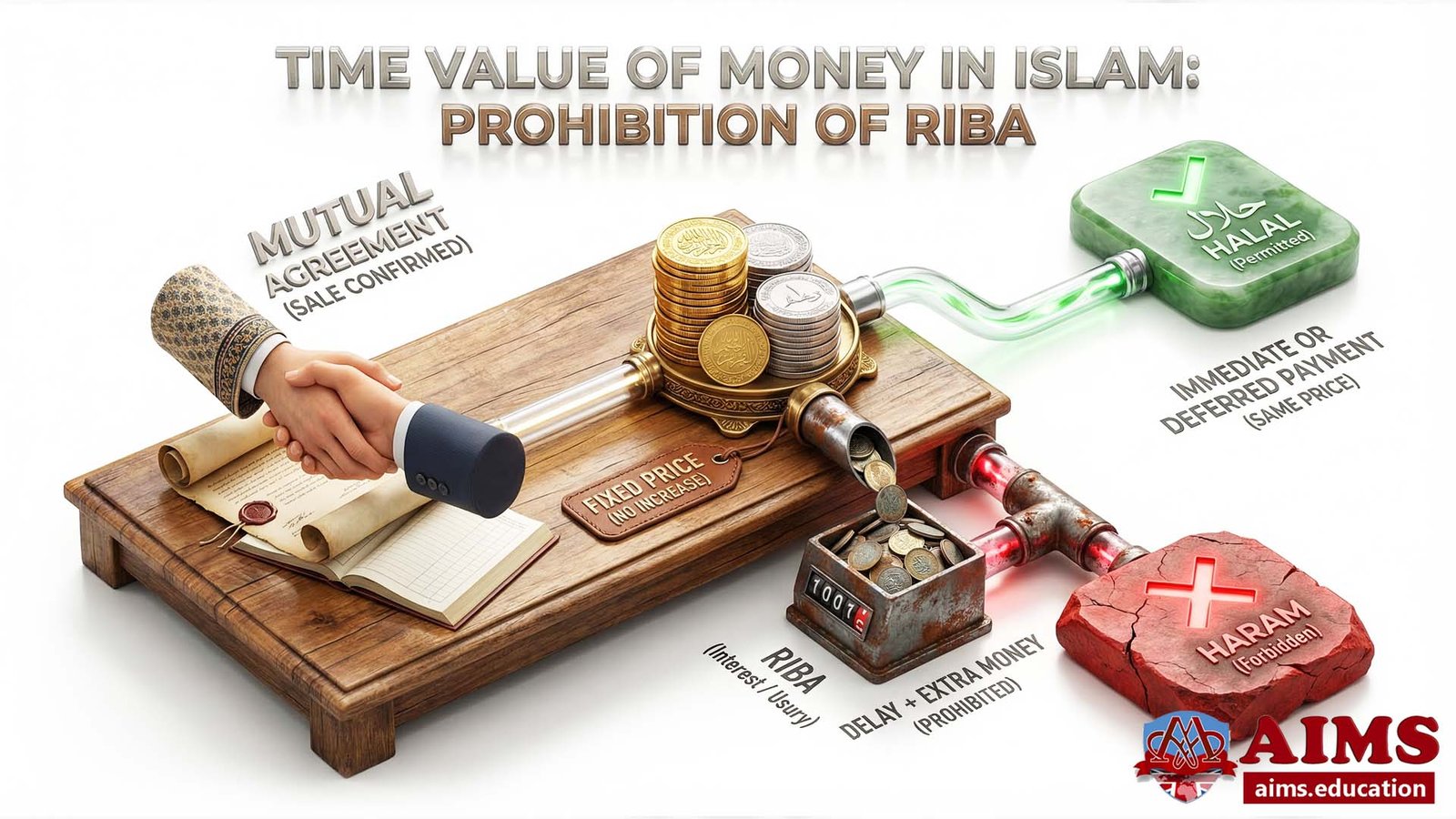
The time value of money is a fundamental principle of conventional finance, however, there is no concept of the time value of money in Islamic finance as it …
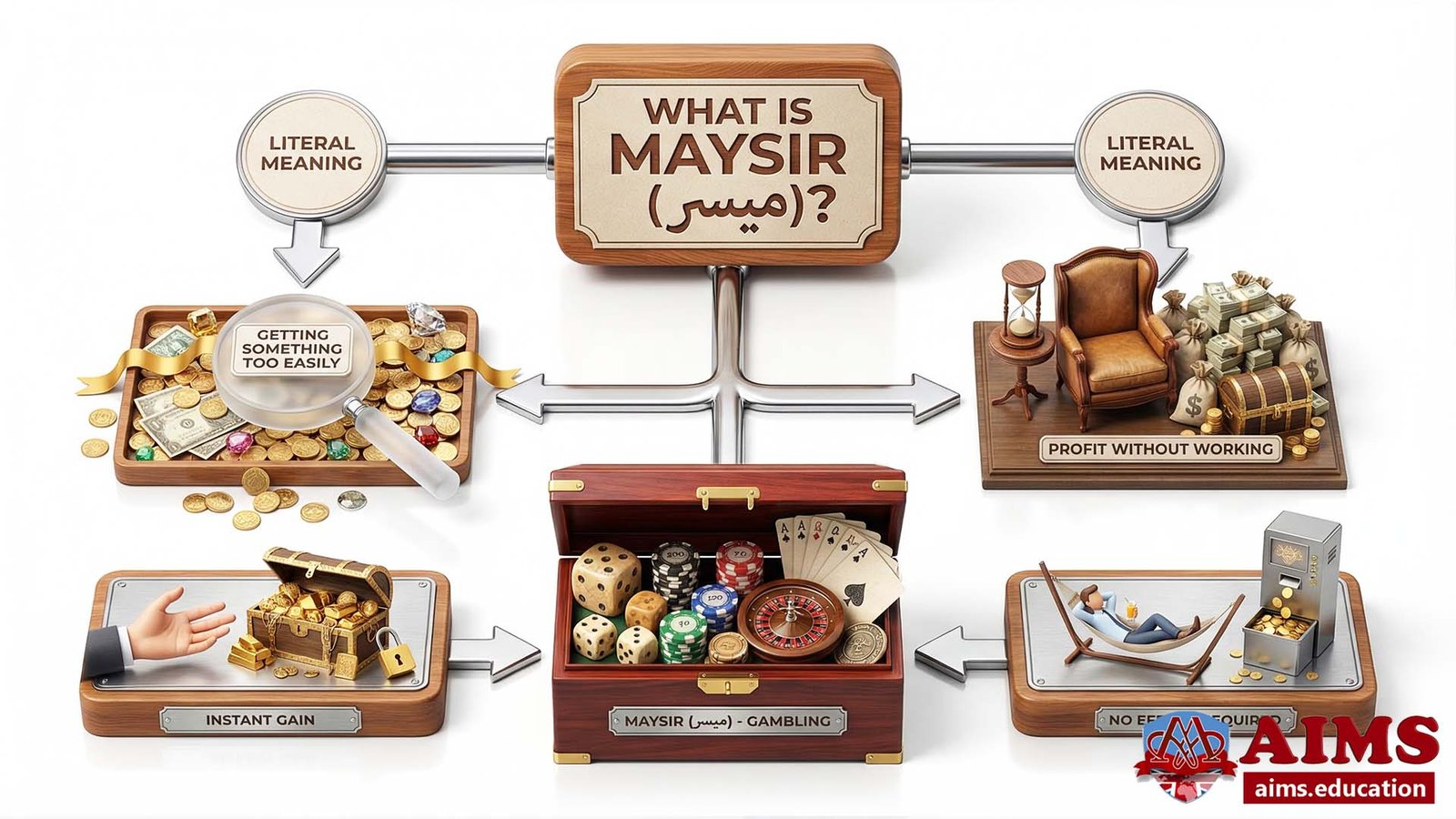
Maysir or Maisir is an Arabic term that means gambling. Literally, maysir meaning is ‘getting something too easily’ or ‘getting a profit without working for it.’ Maisir is a game of chance …
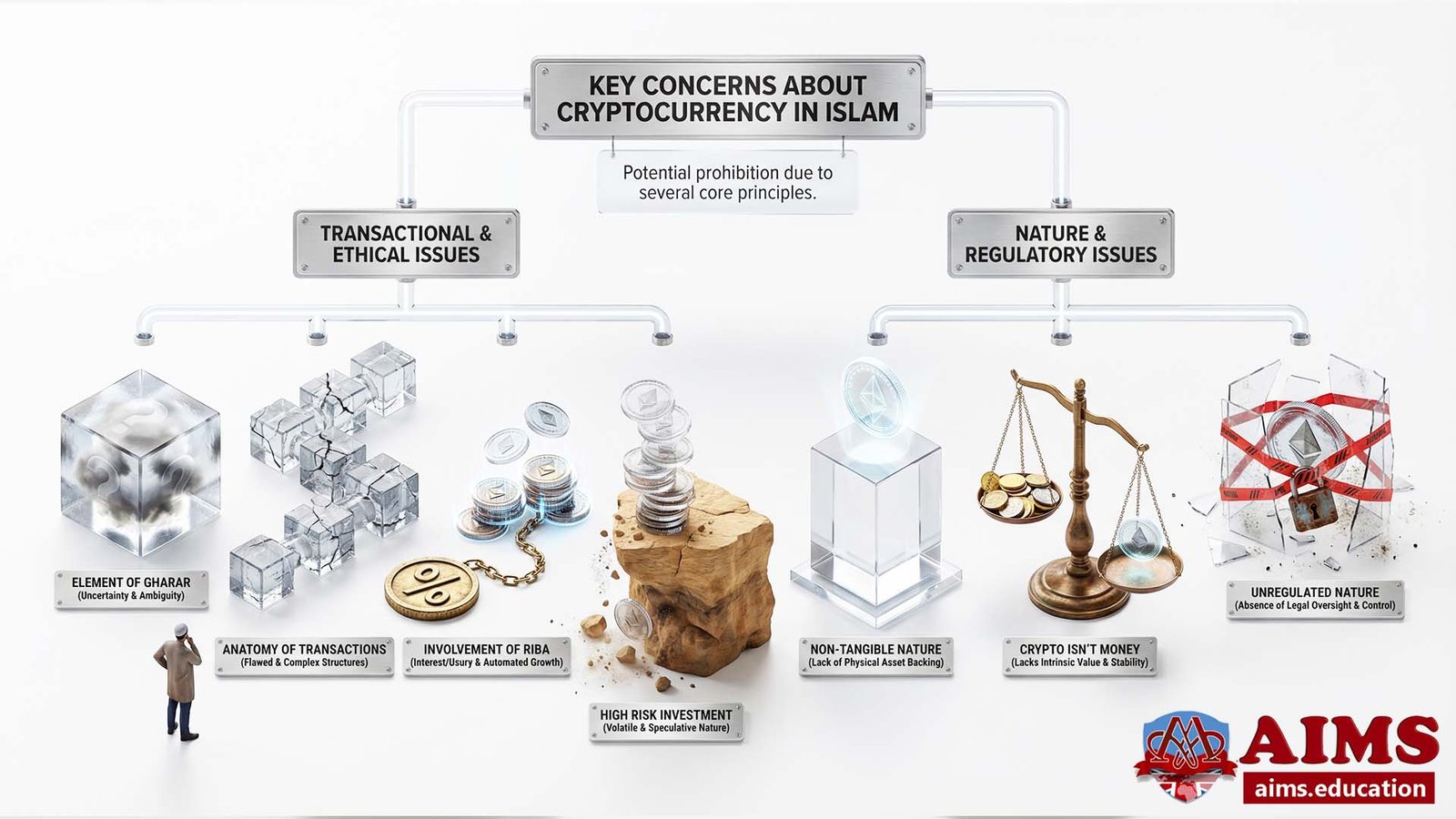
Cryptocurrency, particularly Bitcoin, has been gaining popularity in the world of finance and investment. However, for Muslims, there is a concern about its compliance with Islamic principles.

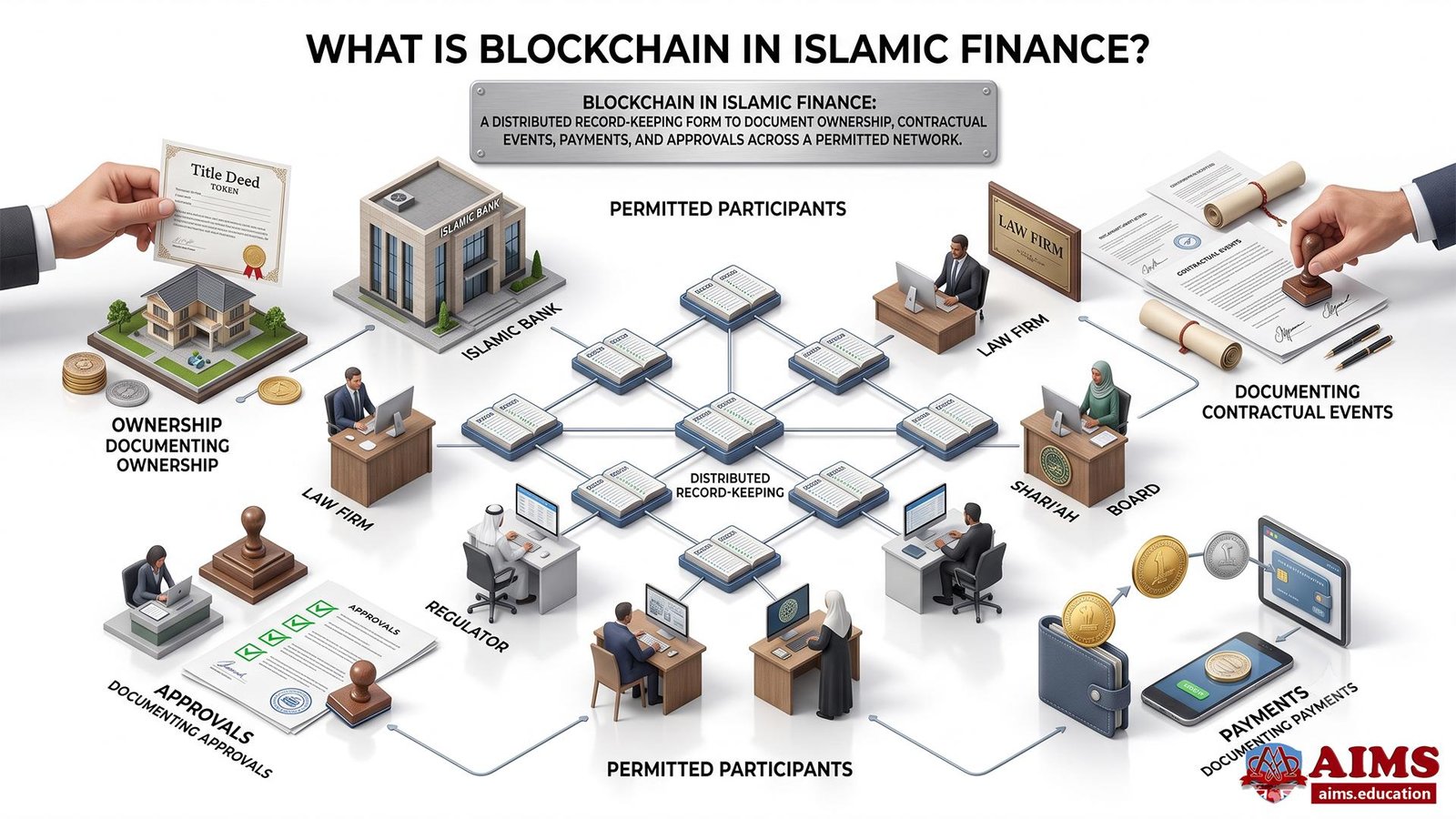
Blockchain technology is rapidly gaining the attention of Organizations of Islamic Cooperation. Various Islamic financial institutes are planning to use the blockchain in Islamic finance to …
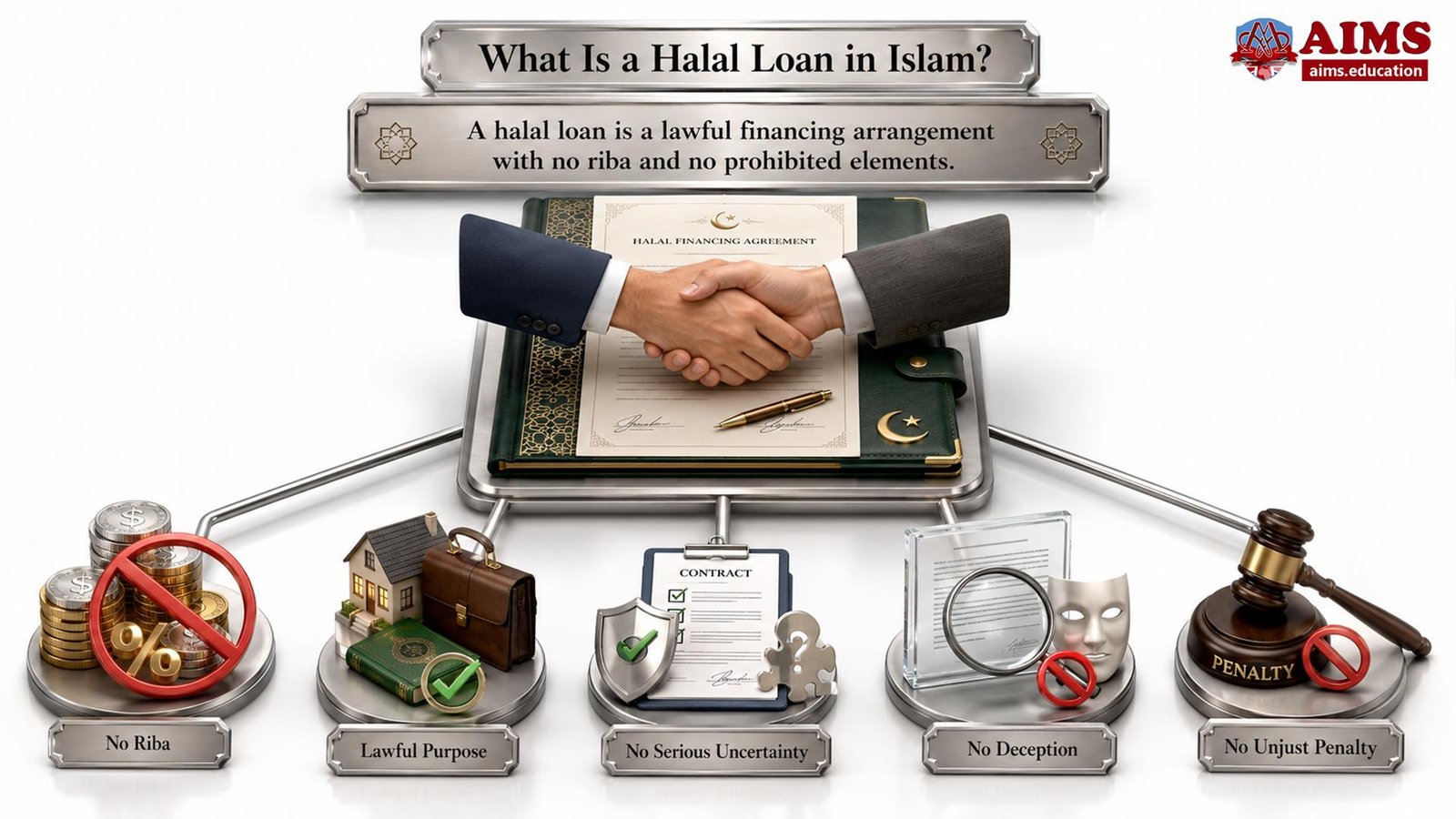
Islamic banking is a system of banking that follows Islamic principles and guidelines. The majority of Muslims prefer this form of banking because it complies with the fundamental principles of …

At its heart, the Islamic Capital Market is one where transactions for Shariah-compliant financial assets are handled. Unlike conventional capital markets, Islamic capital market instruments and products are compliant …

Islamic teachings guide Muslims in all aspects of life, including setting up their economies and infrastructure. This meant their systems differed from Western economies- making it difficult for them …
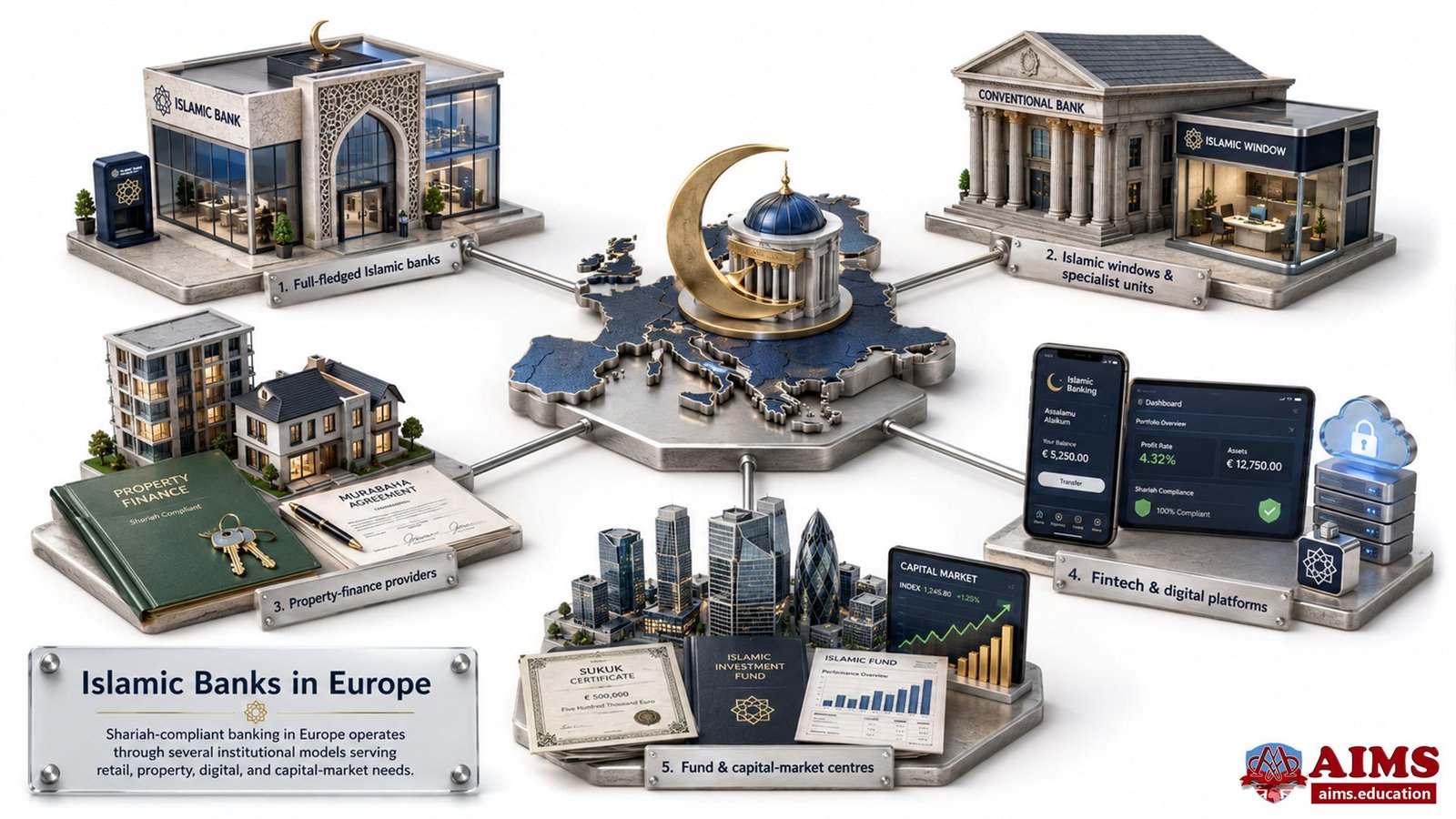
The current trend of Islamic banking in Europe stems from its origins, which goes back much further than many people would think. The influence and scope of Islamic …
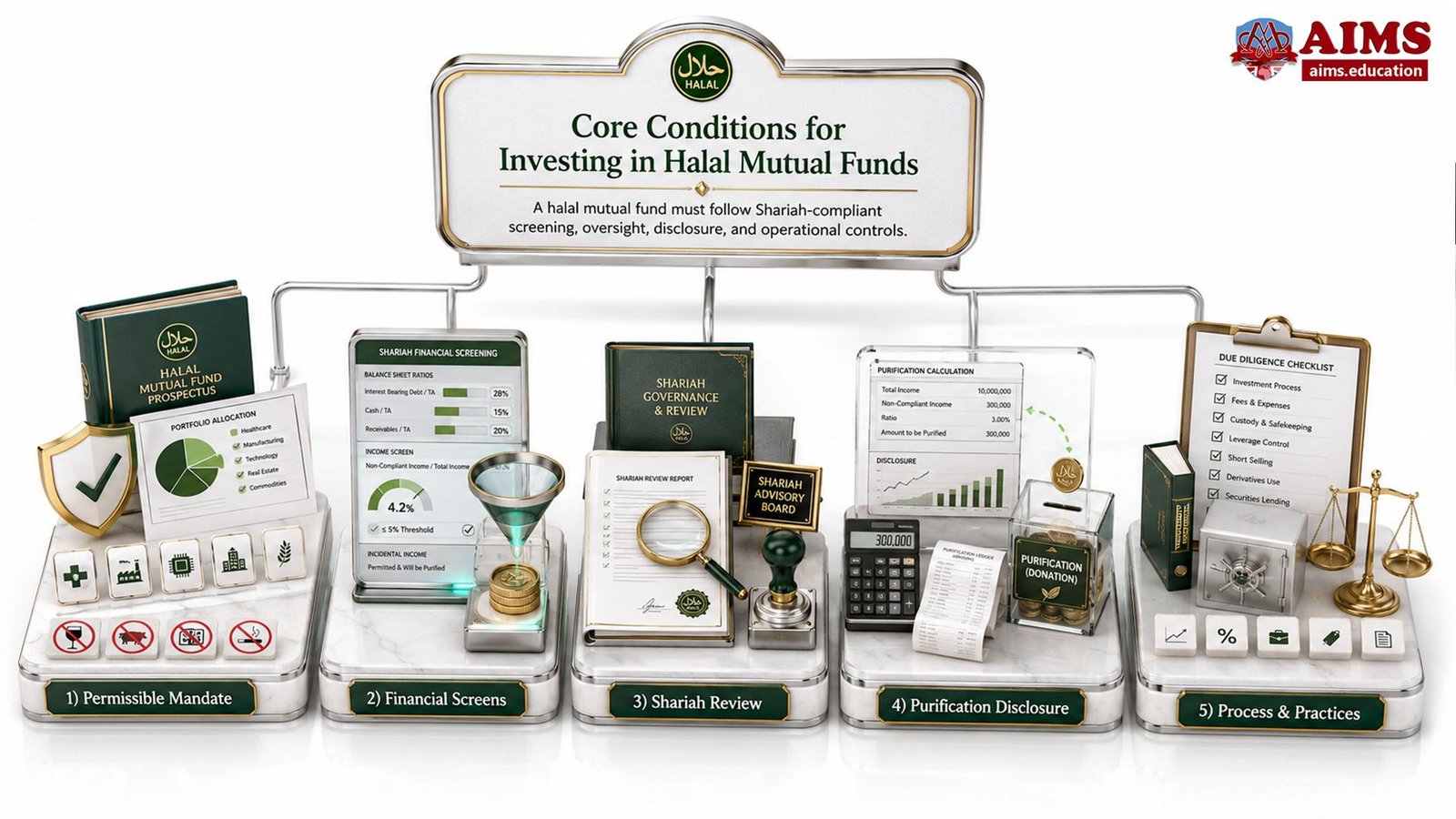
Islamic Investment funds are a type of Shariah-compliant funds, which refers to a joint pool where investors contribute their surplus money to invest and earn halal profits.
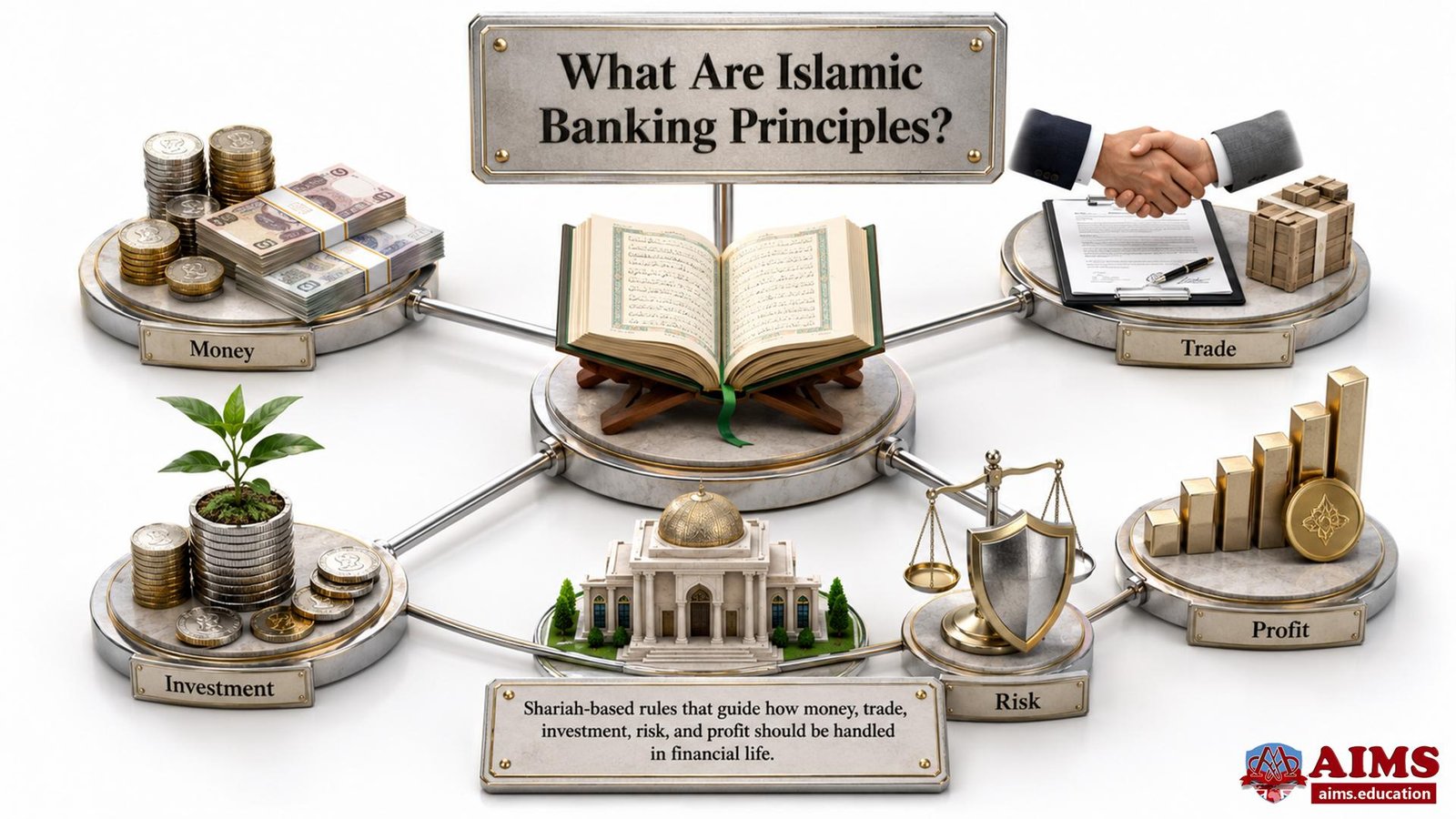
Islamic banking principles are the Shariah-based foundations that explain how banking can be conducted without riba, excessive uncertainty, gambling, or investment in prohibited activities.
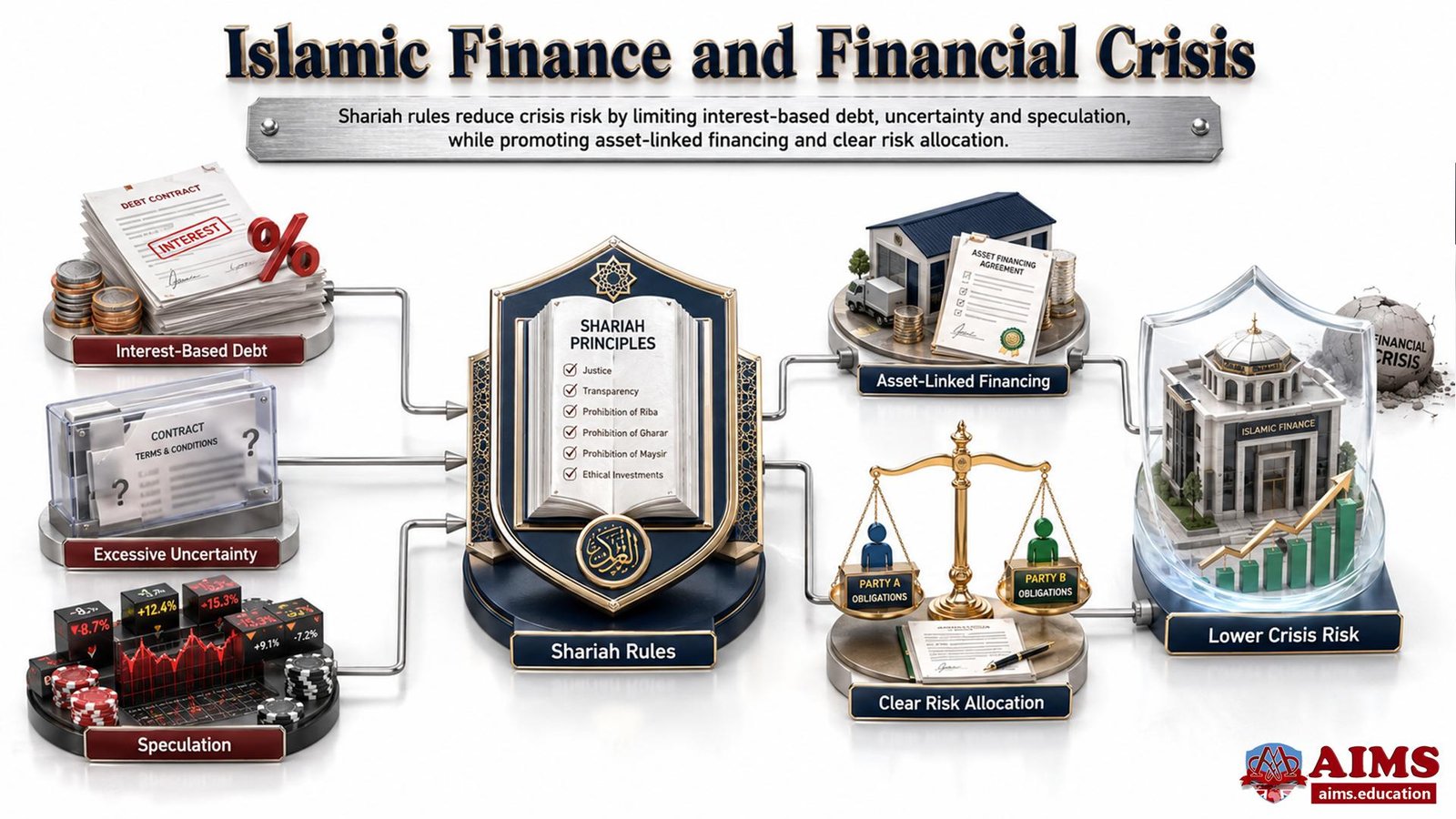
The global financial crisis affected all major banking and financial institutions, but some countries were affected more than others. In both terms of initial impact and speed …

Gold in Islam and Islamic Finance Amid the past Islamic period, there were neither banks nor any part of enthusiasm for financial movement. The allotment of funds/venture and transformation of speculation into …
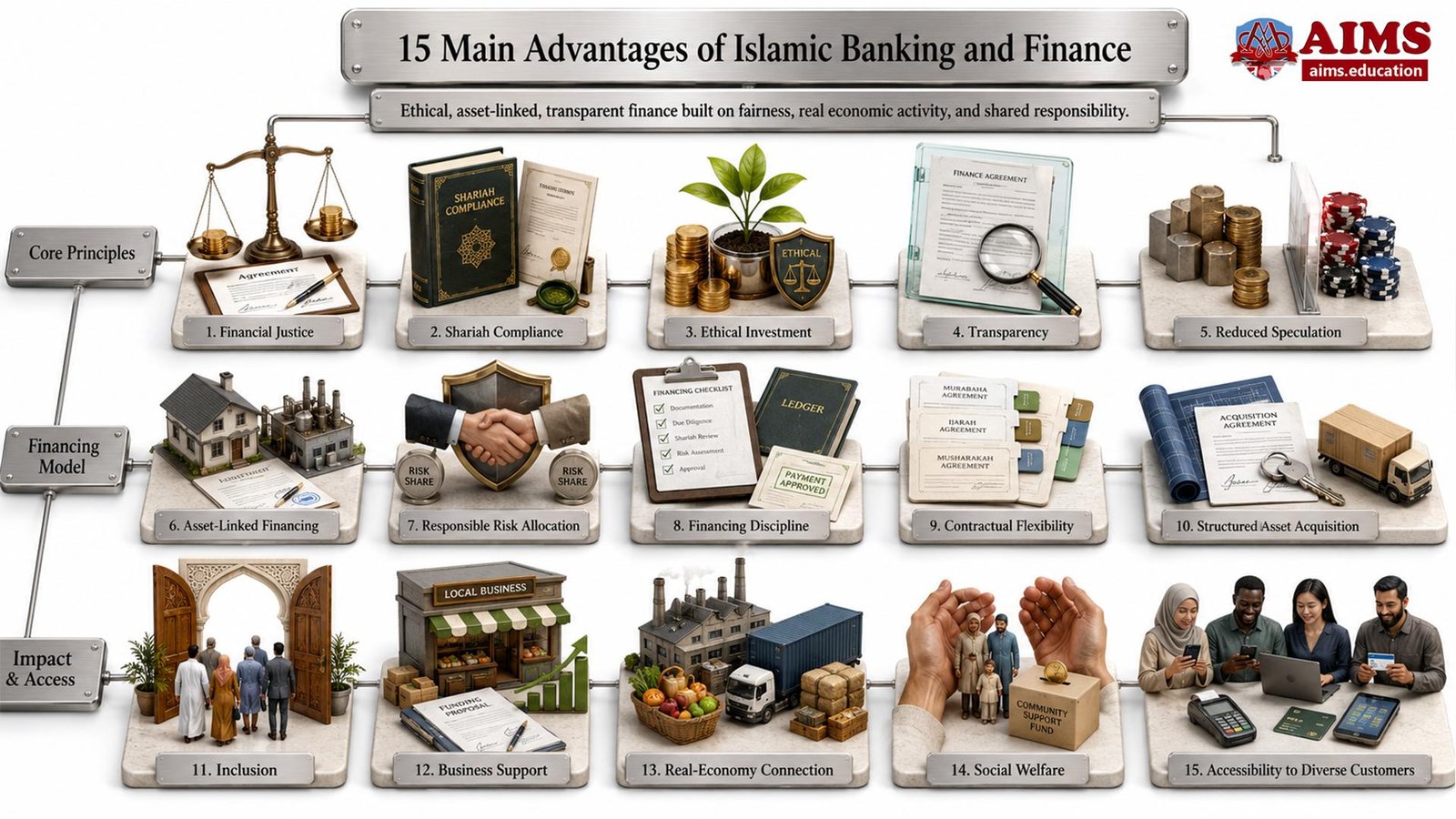
An Overview We are all aware that the global finance market is dominated by the conventional banking system. However, due to the advantages of Islamic banking, the industry has …
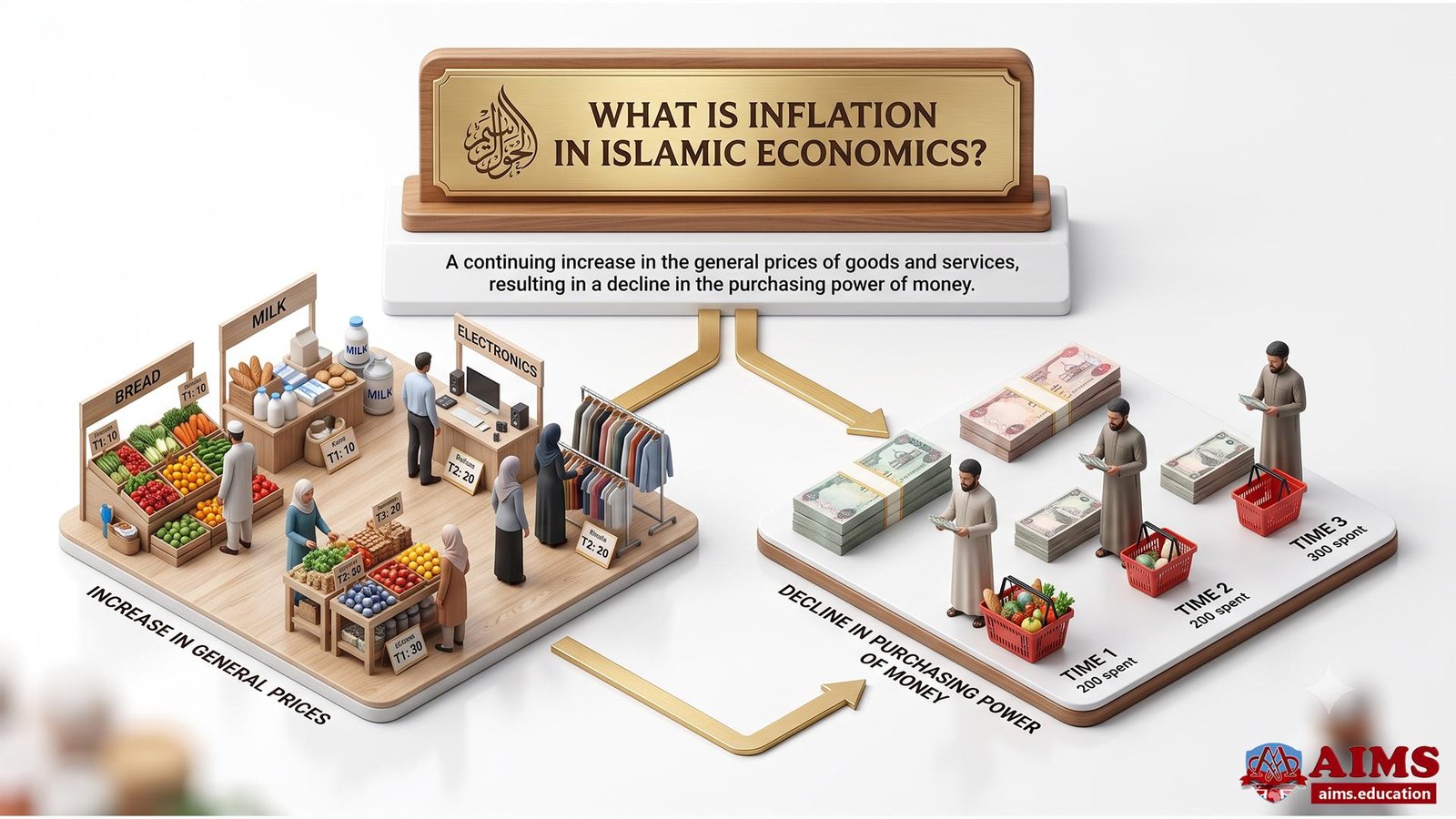
Understand inflation in Islamic economy, including its causes, types, effects on purchasing power & debt, links with riba and Shariah-based solutions. Understand an Islamic perspective on inflation
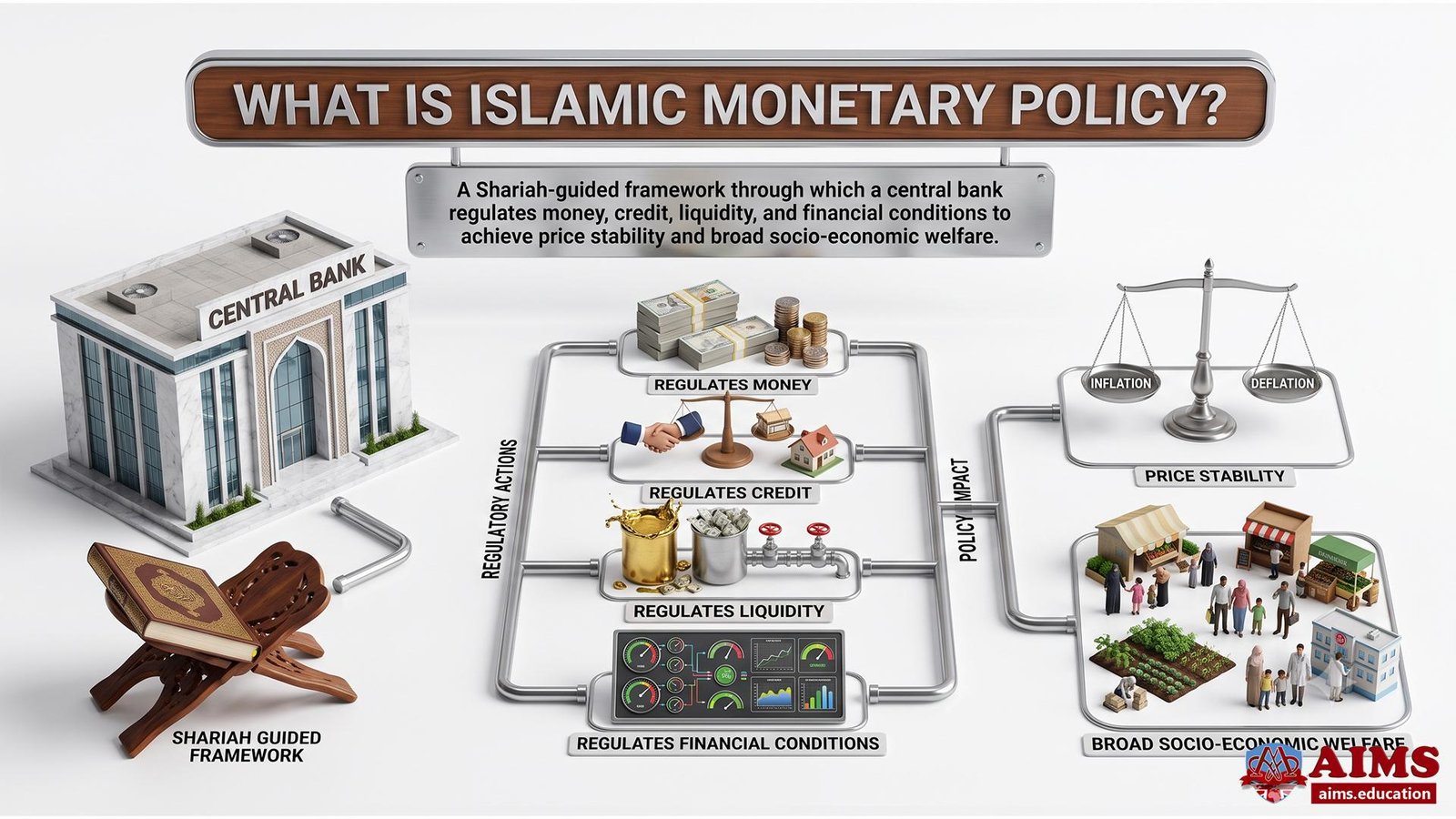
Understand the Monetary Policy in Islamic Economics. Learn the Objectives, Islamic Monetary Framework, Instruments, and How it works without Interest (or Riba) with real world examples
Academic Review and Quality Assurance
AIMS Islamic banking and finance study content is developed and reviewed under the academic oversight of AIMS’ Academic Board to support academic accuracy, professional relevance, and practical learning value. These study notes are part of the academic resources developed by the AIMS Institute of Islamic Banking and Finance.