
Islamic Banking and Finance Blog
Welcome to the Islamic Finance Blog by AIMS Education — a trusted source for insights, updates, and expert knowledge on the Islamic banking and finance industry. Our Islamic Banking blog offers in-depth analysis, practical guidance, and timely information on Shariah-compliant financial products, services, and global trends.
Whether you’re a student, professional, or enthusiast, our articles will keep you informed about the latest developments and innovations in the ever-growing world of Islamic banking and finance.
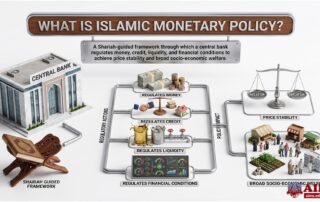
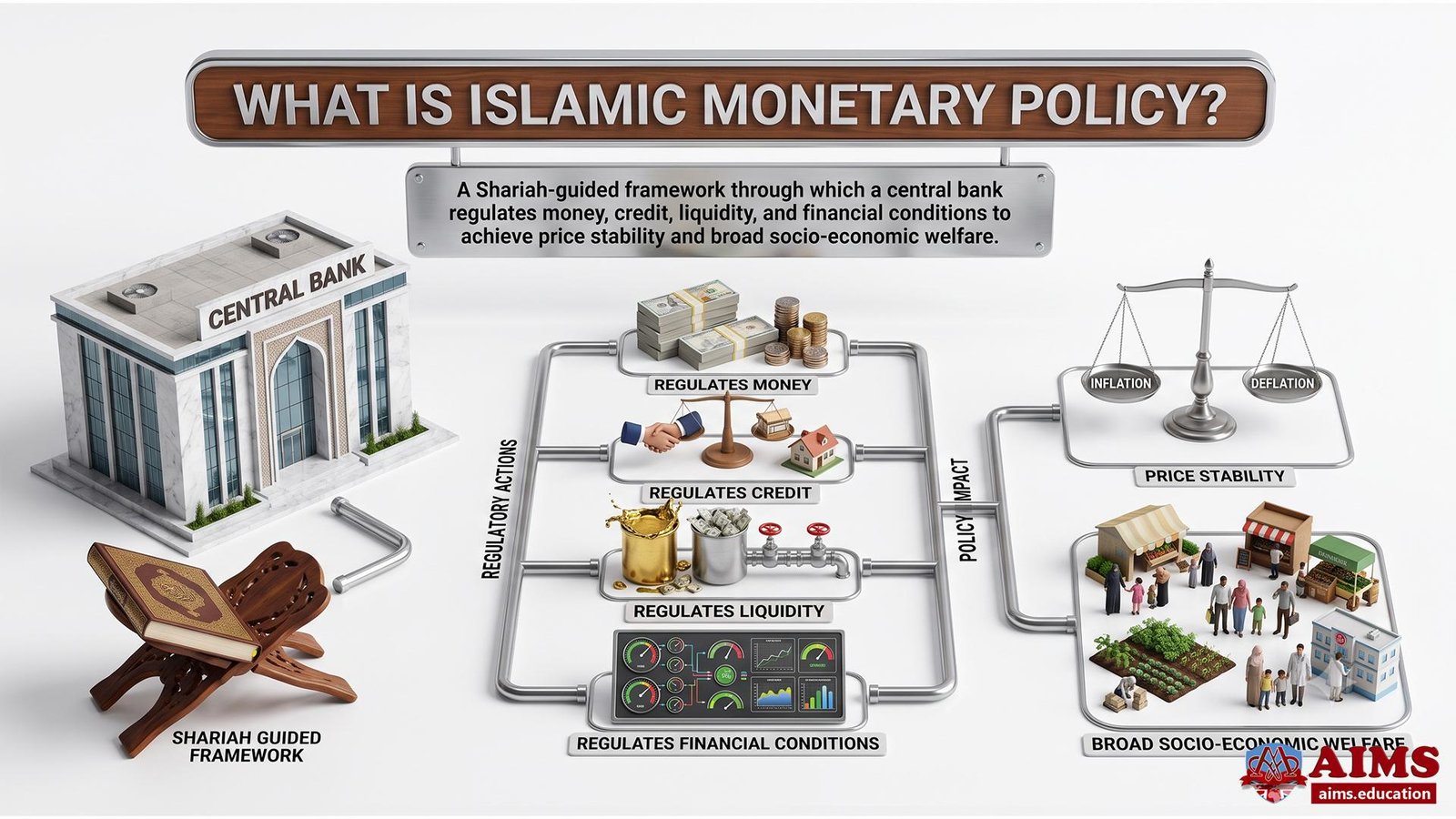
Islamic Monetary Policy: Objectives, Framework, Instruments, and How It Works Without Interest (Riba)
What Is Islamic Monetary Policy? Islamic monetary policy is a Shariah-guided framework through which a central bank regulates money, credit, liquidity, and financial conditions to achieve price stability and broad socio-economic welfare. It operates [...]
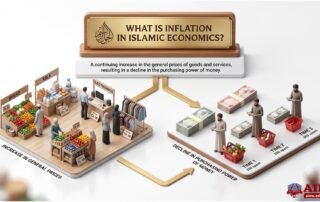
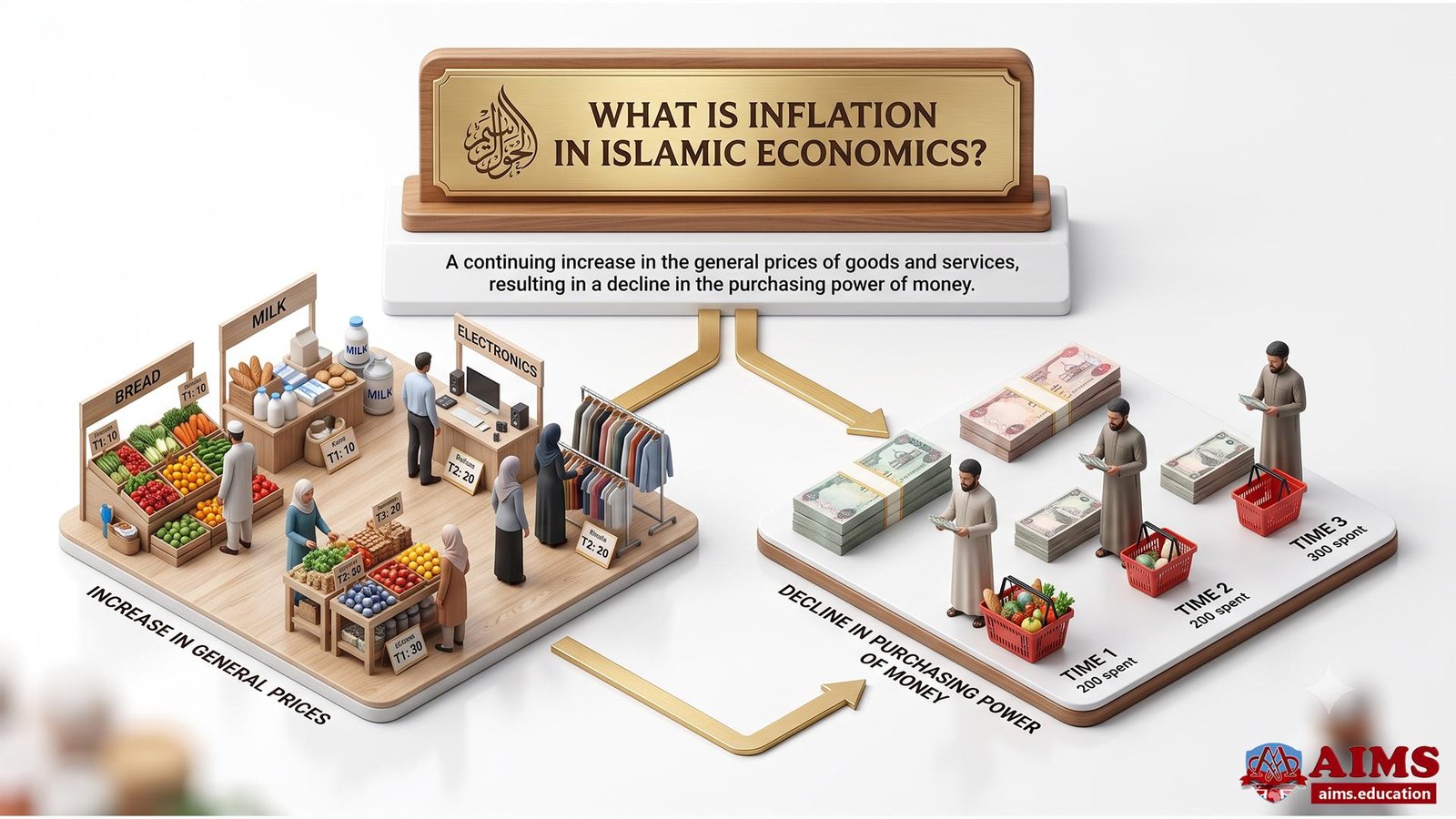
Inflation in Islamic Economy: Causes, Effects, Shariah Principles, and Solutions
What Is Inflation in Islamic Economics? Inflation in Islamic economy is a continuing increase in the general prices of goods and services, resulting in a decline in the purchasing power of money. The study of [...]

Ju’alah (Jualah) – Meaning, Definition, Rules, Examples & Applications in Islamic Banking and Finance
Jualah (Juala or جعالة) is an Islamic reward based contract in which one party promises a specified reward to whoever achieves a defined result. In practical terms, it works like a lawful promise of [...]

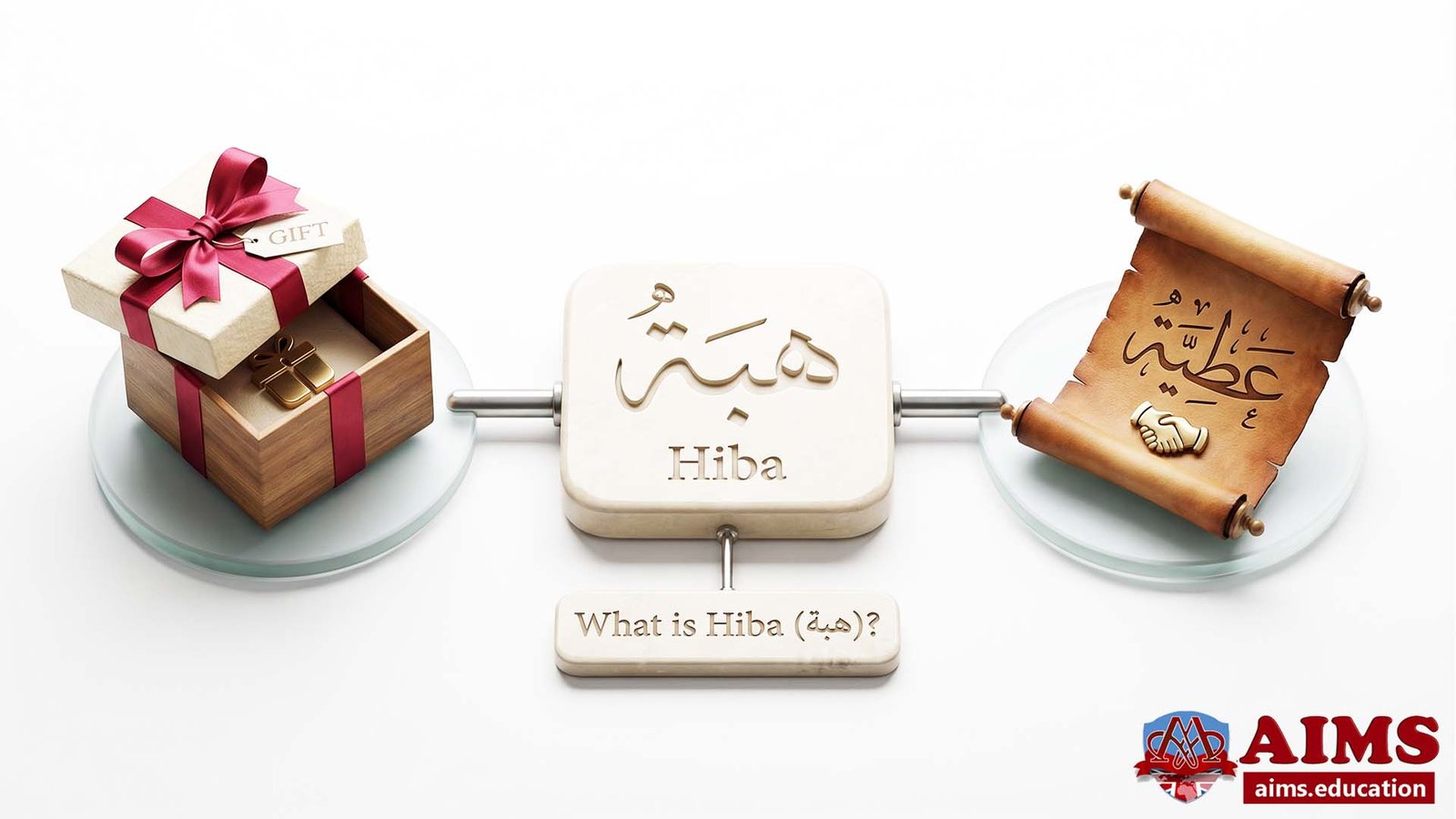
What is Hiba (هبة) in Muslim Law? Conditions, Types & Applications
Hiba Meaning A Hiba (هبة) is an Arabic term that means “gift”, and it is also synonymous with ‘Atiyya (عطية). Hiba in Muslim Law refers to the voluntary transfer of ownership of assets or wealth [...]

What is Kafalah? Types, Applications & Rules for Islamic Banking
What is Kafalah? Kafalah or “الكفالة” originated from the Arabic root word "Kafi", which means "surety," "guarantee," or "support." Kafalah in Islamic banking and finance provides a formal guarantee, commonly used to safeguard obligations [...]

Islamic Principles of Consumption: 8 Key Principles, Rules in Quran & Hadith, and Prohibition of Luxury
Islamic principles of consumption are Shariah-guided rules for using goods, services, income, and wealth in a lawful, wholesome, balanced, and socially responsible manner. They require halal and tayyib choices, moderation, avoidance of israf and tabdhir, [...]

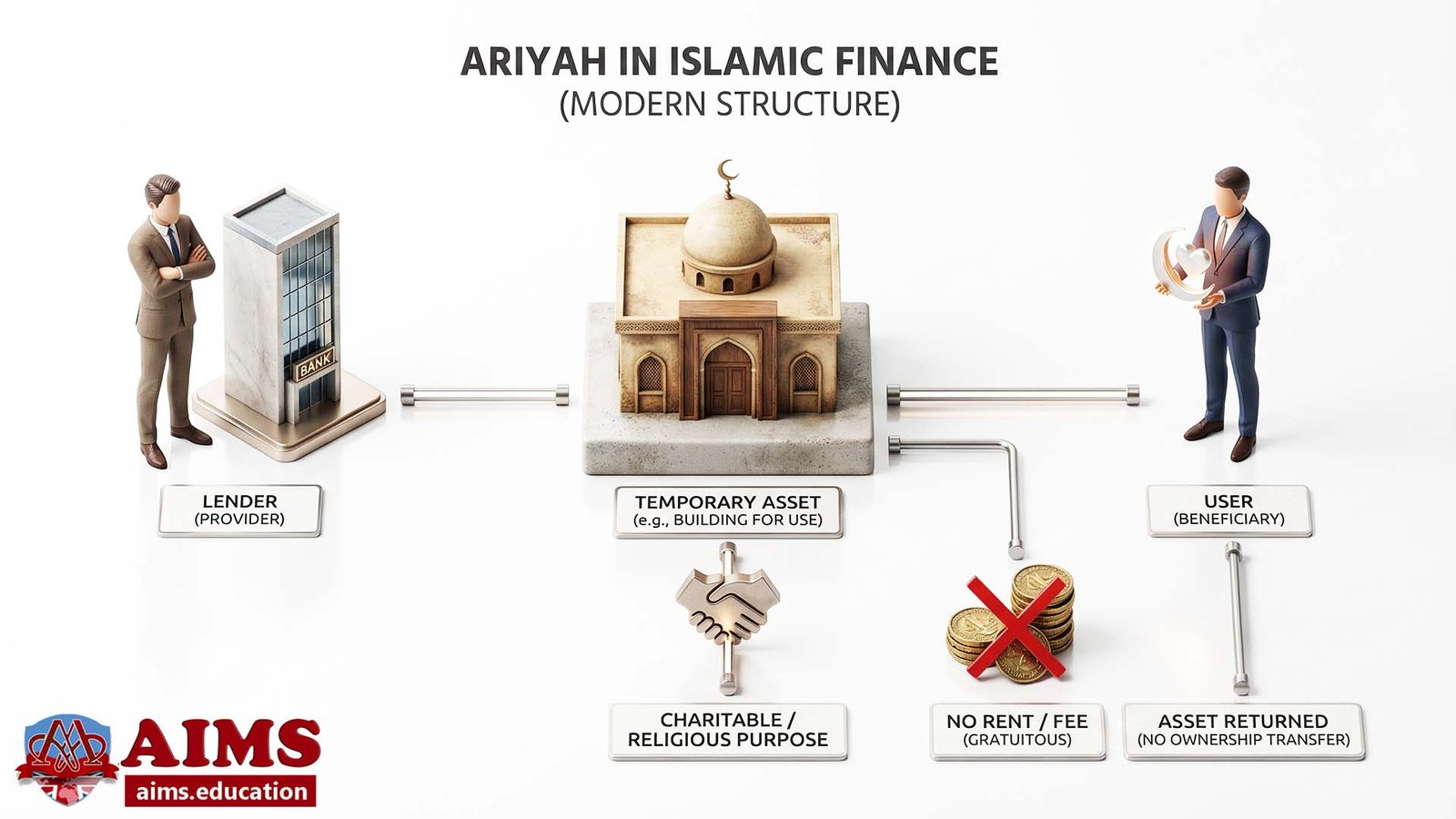
Ariyah in Islamic Finance: Meaning, Contract, Jurisprudence Rules, Fiqh Conditions and Examples
Ariyah in Islamic finance is a gratuitous contract under which an owner permits another person to use an identifiable asset temporarily without payment. Ownership remains with the lender, while the borrower receives only the [...]

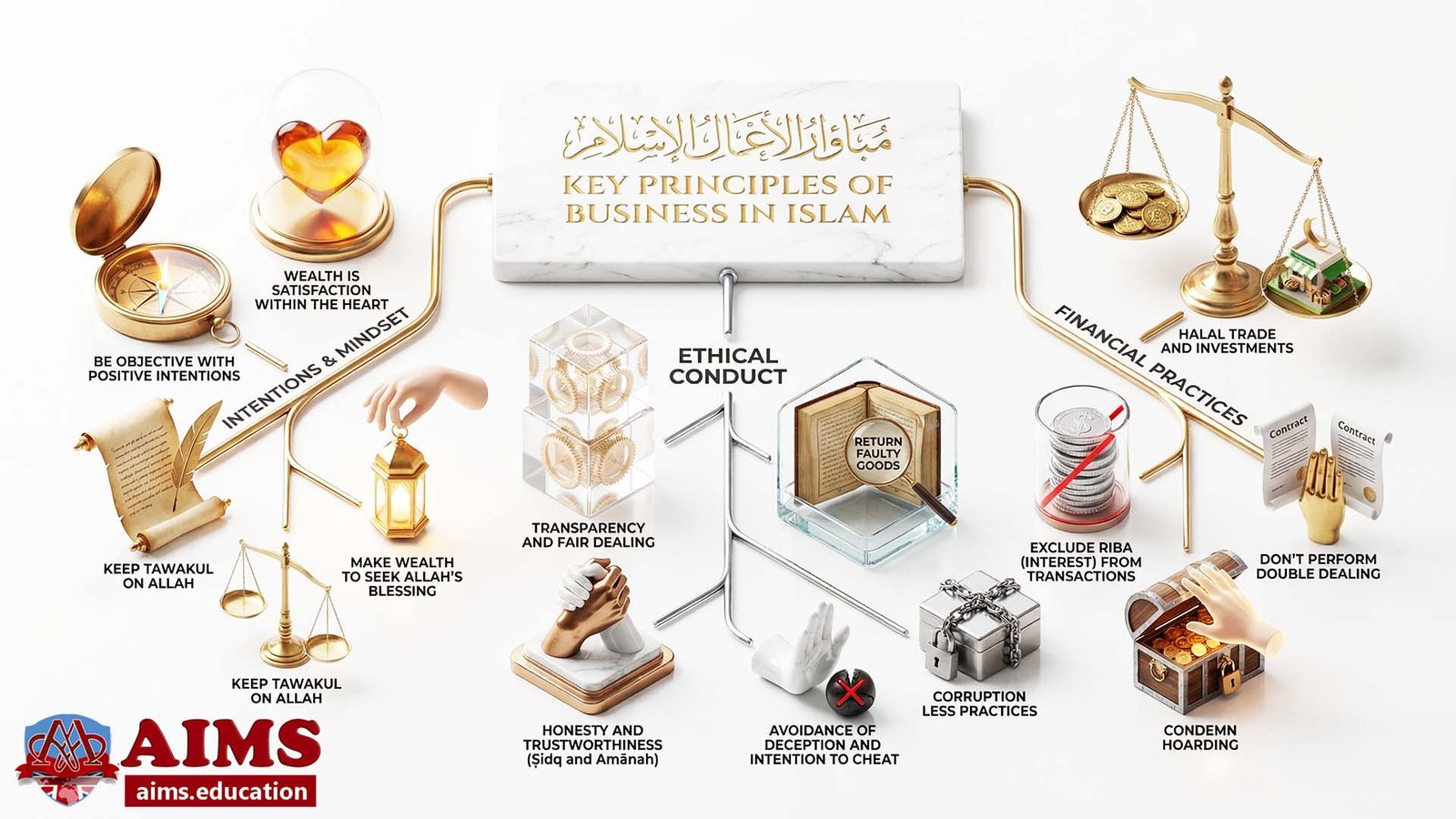
14 Key Principles of Business in Islam – Rules for Running an Islamic Business
What are the Principles of Business in Islam? Principles of Busiess in Islam are the clear and practical Shariah guidelines for commercial dealings. These principles are regarded as an Islamic formula for achieving success [...]

What is Hawala? Mechanism & Role of Hawalah in Islamic Finance
What is Hawala (حوالہ)? In Arabic, the term ḥawala or حوالہ refers to "transfer" or "trust", and it is an informal way of transferring funds where no actual cash is interchanged. The origin of [...]






Capital in the Islamic Economy: Meaning, Role, Returns, Factors of Production & Examples
Capital in the Islamic economy refers to produced resources, productive assets, or invested funds used to create lawful goods, services, and additional wealth. It includes machinery, tools, business inventory, buildings, transport equipment, and money [...]